

When a high-profile legal battle erupts in Israel, the fallout extends far beyond the courtroom. Often, a sudden regulatory raid, a damaging media leak, or an aggressive lawsuit can threaten not just your legal standing. Moreover, it can threaten your entire corporate reputation. In these situations, crisis management law becomes crucial. For international executives and investors, navigating this minefield requires more than standard legal defense. Instead, it demands a sophisticated strategy. Legal action and reputation management must be fused into a single, powerful weapon.
This is the domain of crisis management law—an executive-level discipline focused on controlling the narrative, protecting sensitive information, and steering your company through the storm. In a high-stakes environment like Israel, legal and media landscapes are complex and intertwined. Because of this, a reactive approach is a recipe for disaster. This guide outlines the strategic legal tools essential for protecting your reputation when everything is on the line.

Controlling the Narrative: Gag Orders (Tzav Issur Pirsum)
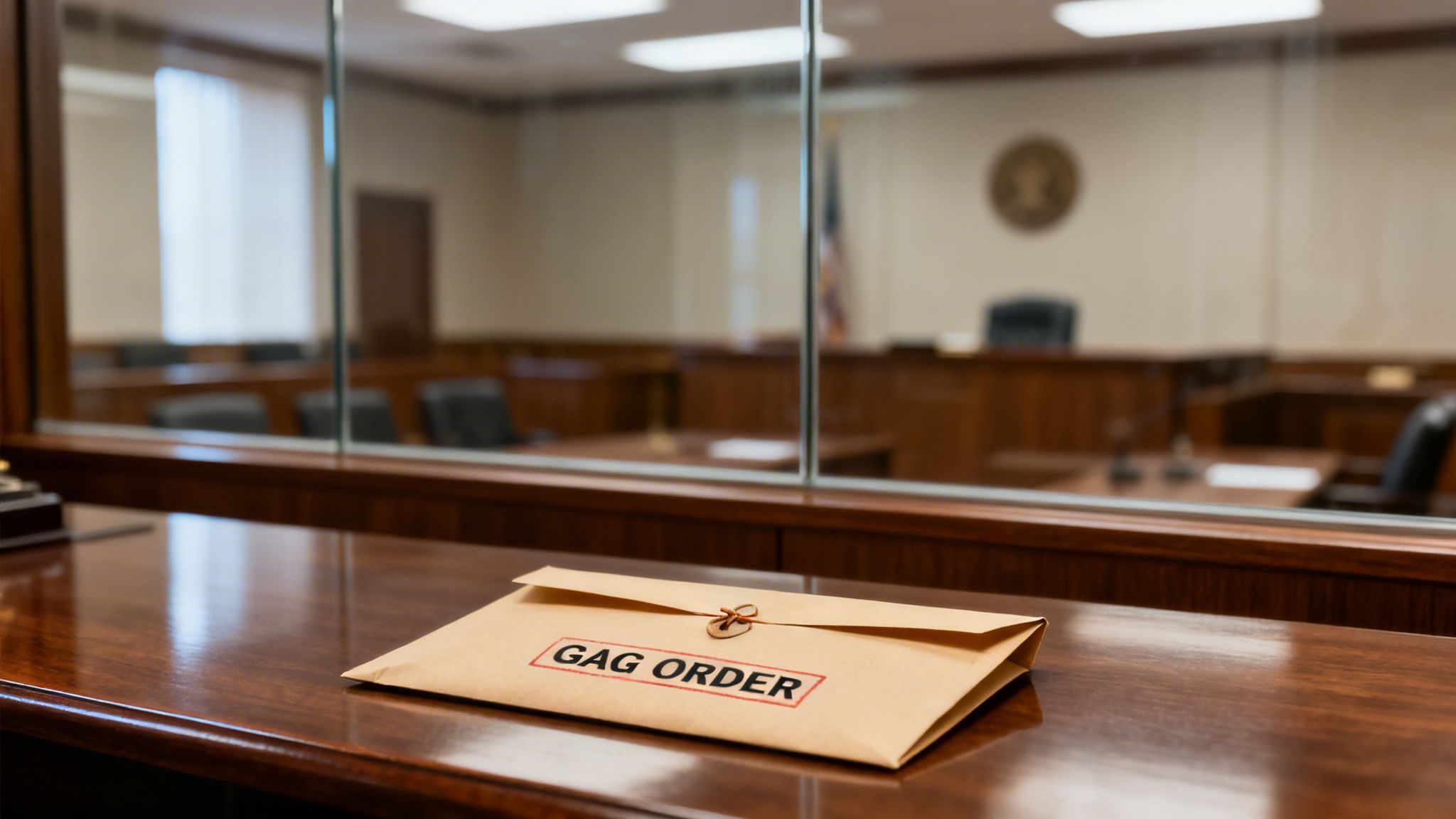
In a high-profile legal crisis, your first battle is often against misinformation. The 24/7 news cycle and social media can amplify unverified claims, creating a trial by public opinion before your legal case has even begun. In Israel, your most powerful tool to counteract this is a gag order, known legally as a Tzav Issur Pirsum.
A gag order is a court-issued directive that prohibits the publication of specific details related to an ongoing investigation or legal proceeding. It’s a judicially enforced “cone of silence.” This provides critical breathing room for your legal team to operate. Your team can do so without every move being scrutinized and potentially distorted by the media.
When is a Gag Order Strategically Essential?
A Tzav Issur Pirsum is not about hiding the truth. Rather, it’s about ensuring the legal process can proceed fairly and preventing irreparable harm to your reputation. Its strategic value is immense in several scenarios:
- During a Regulatory Investigation: It can prevent the publication of preliminary, and often misleading, details that could decimate your company’s stock price and market confidence long before any wrongdoing is proven.
- Protecting Trade Secrets: In contentious Commercial Litigation in Israel involving intellectual property, a gag order stops sensitive commercial information from being exposed in public court filings and media reports.
- Safeguarding Personal Privacy: For high-profile executives or founders involved in a dispute, it shields them and their families from unwarranted public intrusion and reputational damage.
Securing a gag order requires a swift and compelling legal argument. Your counsel must convince the court that the potential harm from publication far outweighs the public’s right to know. This is a crucial first move that can shift the dynamic of a crisis from reactive chaos to controlled strategy. In particular, this applies when urgent measures like seeking Interim Injunctions & Freezing Orders are necessary to protect assets.
Shielding Strategy: Managing PR Under Attorney-Client Privilege
In a legal crisis, your public relations strategy and your legal defense are two sides of the same coin. However, a critical mistake many companies make is treating them as separate functions. This can expose your entire crisis response plan. For example, draft press releases, internal talking points, and strategic debates could be discovered by the opposing side in a lawsuit.
The solution is a foundational tactic in sophisticated crisis management law: structuring the PR engagement through your law firm. By having your Israeli legal counsel formally retain the PR agency, you wrap the protective shield of attorney-client privilege around these highly sensitive communications.

How to Correctly Structure the Engagement
To ensure this privilege holds up under scrutiny, the arrangement must be deliberate and formally documented:
- The Law Firm Retains the PR Firm: The engagement contract must be between your law firm and the PR agency. The agreement should explicitly state that the PR firm’s services are necessary for the attorneys to provide comprehensive legal advice related to the crisis.
- Communications are Directed by Legal Counsel: All significant strategic discussions, document reviews, and public statements must be channeled through or involve your legal team.
- Billing Flows Through the Law Firm: The PR agency invoices the law firm, which then bills your company as a consolidated legal expense. This paper trail reinforces the legal purpose of the engagement.
By integrating your PR team under the legal umbrella, you transform their work from a discoverable business expense into a confidential component of your legal defense.
This structure is paramount for international companies managing complex cross-border disputes, such as those involving Enforcing Foreign Judgments. It ensures that your global strategy discussions remain confidential. In addition, this prevents your own communications plan from being weaponized against you in an Israeli court.
Mitigating Risk: Defamation in Public Statements
The pressure to respond publicly during a crisis is immense. However, a rushed or emotionally charged statement can easily backfire, creating a new legal battlefront: a defamation lawsuit. In Israel, this is governed by the law against Lashon Hara (literally, “evil tongue”), and it carries significant risk.
Every public communication must be a calculated move designed to defend your reputation without creating new liabilities. This requires a deep understanding of the key legal defenses against defamation under Israeli law.
The Two Pillars of Defamation Defense
When crafting a public statement, your legal team builds the defense on two core principles:
- The ‘Truth’ Defense (Emet Dibarti): This is your strongest shield. If you can prove that your statement was factually true and that its publication served a legitimate public interest, it cannot be considered defamation. This is an absolute defense.
- The ‘Good Faith’ Defense (Tohm Lev): This defense applies if you genuinely believed your statement to be true at the time it was made, even if it later proves inaccurate. To rely on this, you must show you acted responsibly, had a legitimate reason for the statement, and did not intend to cause harm.
A legally sound crisis statement is not about winning a PR battle; it is about reinforcing your legal position. Every claim must be vetted and verifiable.
Guidelines for Crafting Legally Sound Statements
To navigate this minefield, every public comment must adhere to a strict protocol:
- Stick to Verifiable Facts: Avoid speculation, opinion, or emotional language. Base every claim on evidence you are prepared to present in court.
- Acknowledge Without Admitting Fault: A statement like, “We are taking this matter seriously and have initiated a full internal investigation,” is far safer than a premature denial or an admission of guilt.
- Centralize All Communications: Appoint a single, trained spokesperson. All internal and external statements must be approved by your legal and crisis management team to ensure a consistent, legally defensible message. This level of control is as crucial as proper Due Diligence Essentials in a transaction.
By meticulously vetting every word, you ensure that your public defense strengthens—rather than undermines—your legal strategy, preserving your ability to fight effectively in the courtroom.

Don’t navigate the Israeli legal system alone. Schedule a consultation regarding your specific case.