

A Tama 38 refusal occurs when an apartment owner blocks an urban renewal project that a majority of neighbors support. This person is often called a Dayar Sarvan or "refusal tenant." While you have rights as a minority owner, you must act carefully. If your refusal is deemed "unreasonable," Israeli law allows your neighbors to sue you for damages. This guide outlines your rights and the significant risks of an unreasonable Tama 38 refusal.
This article provides critical information about protecting your rights in urban renewal projects. It explains when a refusal is justified and the legal consequences of an unreasonable objection.
Understanding Minority Rights in Tama 38 Projects
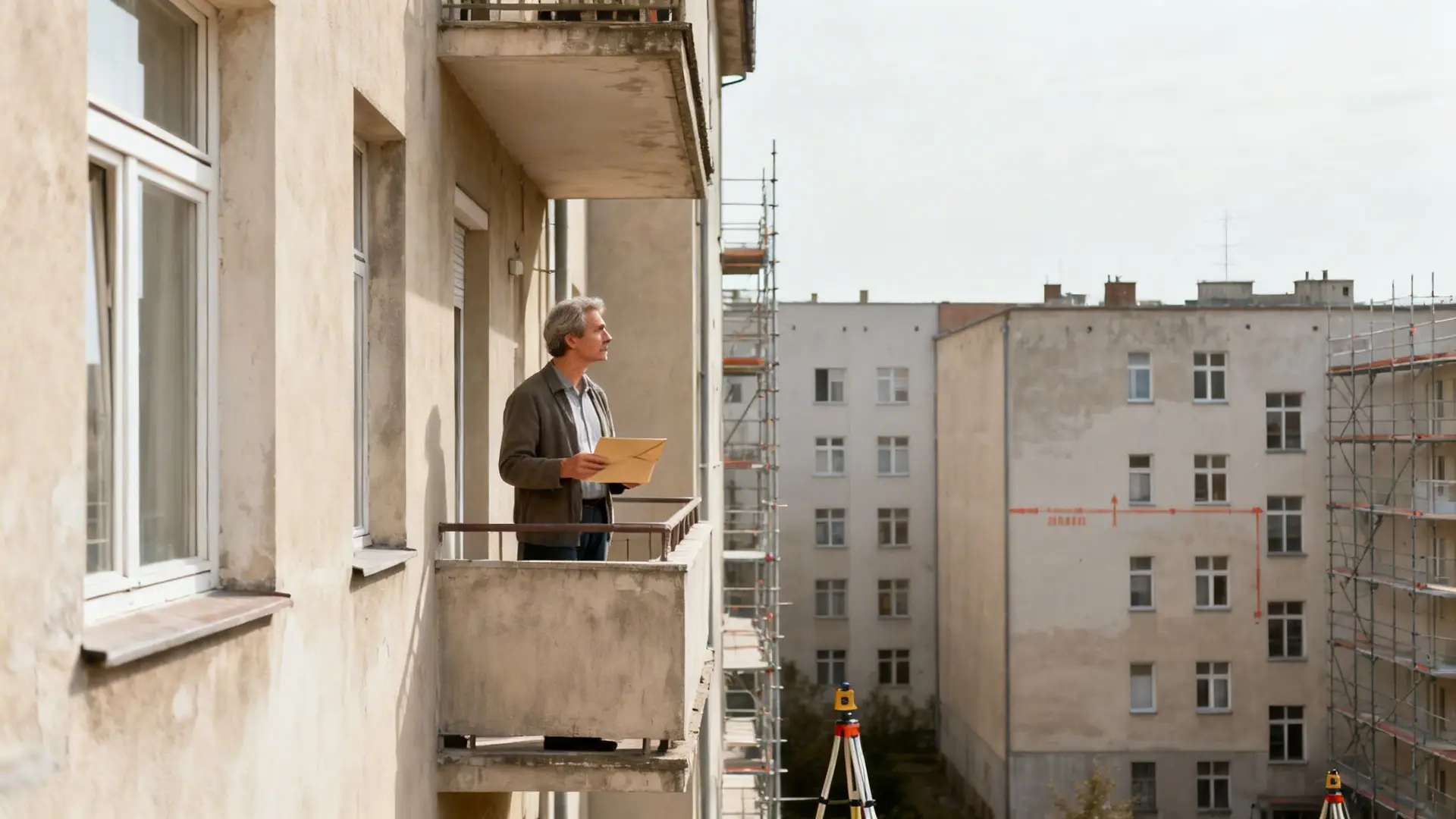
As the 2026 deadline for Tama 38 projects nears, many owners face a tough choice. These renewal plans offer a path to a safer, more modern, and valuable home. However, you might have legitimate concerns about the developer or the plan itself. This is the core of the Tama 38 refusal dilemma.
Israeli law balances individual property rights with public safety. The term Dayar Sarvan describes a minority owner who blocks a project with majority consent. But the law also protects minority owners. It establishes a framework to determine if a refusal is valid.
A reasonable objection based on solid grounds is a protected right. In contrast, an unreasonable one can lead to serious legal and financial trouble. This includes facing a lawsuit from your own neighbors.
When is a Tama 38 Refusal Reasonable vs. Unreasonable?
The law distinguishes sharply between valid and invalid objections. The entire legal case hinges on this difference. An unreasonable Tama 38 refusal is one that will not stand up in court.
Unreasonable Refusal: These objections are often personal or lack a factual basis. For example, a personal dislike of the developer or trying to extort benefits beyond what others receive. Courts view these as bad-faith attempts to block a beneficial project.
Reasonable Refusal: A reasonable refusal is objective and built on solid evidence. It defends your property and financial rights. For instance, if the plan causes you specific and disproportionate harm, your objection has legal weight. Demanding better guarantees is also a valid reason for refusal.
This distinction is crucial. If your objection is deemed unreasonable, you risk not only being forced to comply but also being sued for damages.
Can My Neighbors Sue Me for Refusing?
Yes. This is a significant risk. When a court rules your objection is unreasonable, it can be considered a tort. A tort is a civil wrong that causes financial harm to others.
Your neighbors can then file a tort claim against you. They can seek damages for the financial losses caused by the project's delay. The court may order you to compensate them for:
- Loss of increased property value.
- Loss of potential rental income.
- Increased construction costs due to delays.
- Their legal fees.
These are not small sums. The damages can be substantial. Therefore, understanding the grounds for a reasonable Tama 38 refusal is essential to protect yourself. These disputes often involve complex financial matters, where knowing the rules around Restricted Bank Accounts can be an advantage. For investors, having the correct business structure through Company Registration Israel provides a layer of protection. These situations can also escalate into broader Commercial Litigation.
If you are a foreign investor, the rules are even more complex. Expert guidance on Foreign Investors Real Estate is vital.
Are you facing a potential Tama 38 dispute? To understand your rights and build a strong legal strategy, it is vital to get expert advice. Contact Us today to secure your position.
Disclaimer: The information in this article is for general informational purposes only and does not constitute binding legal advice. Reliance on this content is at the reader's sole responsibility.