
Will your company’s foreign subsidiary face legal action in 2026? New regulations mandate rigorous, audited sustainability reporting for many companies. A failure to comply introduces significant legal and financial risks. The recommended strategic path is immediate action to align with these standards.
This guide provides an actionable roadmap for compliance. It breaks down the essential frameworks and regulations. You will understand your specific obligations for ESG reporting in Israel.
This analysis details what your organization must do now. We cover selecting frameworks, preparing disclosures, and undergoing assurance. The focus is a clear breakdown for corporate sustainability in Israel.
1. Global Reporting Initiative (GRI) Standards – Israeli Implementation Framework
The Global Reporting Initiative (GRI) offers widely accepted sustainability standards. For companies in Israel, GRI provides a recognized blueprint. Its modular system helps report on relevant environmental and social impacts.

Israeli public companies and multinational subsidiaries increasingly favor the GRI framework. This adoption aligns with investor expectations and local regulatory nuances. Using GRI allows Israeli companies to communicate performance to global investors.
Why GRI is Central to Corporate Sustainability in Israel
GRI’s emphasis on materiality makes it practical for Israeli firms. Companies identify their most significant impacts through this process. For example, Teva Pharmaceutical Industries uses GRI for supply chain disclosures.
Actionable Steps for Implementation
Implementing GRI standards requires a systematic approach. The recommended strategic path is to follow these risk mitigation steps:
- Initial Training: Begin with GRI 101 training for your internal ESG committee.
- Materiality Assessment: Conduct a double materiality assessment with stakeholders.
- Gap Analysis: Map existing disclosures against relevant GRI Topic Standards.
- Integrate Timelines: Align your GRI reporting cycle with your financial reporting.
- Plan for Assurance: Plan for independent assurance over your GRI report.
2. Israeli Securities Authority (ISA) ESG Disclosure Directives and Governance Code
Will your 2026 reporting withstand ISA scrutiny? The ISA’s directives form the mandatory backbone of corporate sustainability in Israel. These rules set a clear legal framework for public companies.

Unlike global frameworks, the ISA’s guidance is prescriptive. Its purpose is to ensure investors receive reliable information. Consequently, adherence is a core component of regulatory compliance.
Why ISA Directives are Foundational for ESG Reporting in Israel
The ISA’s directives are the primary driver for standardized esg reporting israel. They force companies to integrate ESG into risk management disclosures. For instance, Bank Leumi publicly ties executive KPIs to specific ESG targets.
Actionable Steps for Implementation and Compliance
The recommended strategic path for ISA compliance involves proactive preparation. Companies must take the following steps to mitigate risk:
- Establish a Compliance Calendar: Create a dedicated ISA compliance calendar.
- Engage Israeli Securities Counsel: You must consult with legal experts on Israeli securities law.
- Create Data Governance Policies: The board should establish clear ESG data governance protocols.
- Monitor ISA Updates: Designate a team member to monitor ISA public interpretations quarterly.
- Prepare an ESG Audit Trail: You must maintain detailed documentation for all ESG data points.
3. Sustainability Accounting Standards Board (SASB) – Sector-Specific ESG Materiality Standards
SASB provides industry-specific standards. It identifies sustainability issues relevant to a company’s financial performance. This approach is critical for Israeli companies seeking international capital.

The SASB framework is becoming a benchmark for financial ESG disclosure. It is now part of the IFRS Foundation’s ISSB. Therefore, SASB alignment signals sophisticated governance and risk management.
Why SASB is Crucial for Israeli Sector Leaders
SASB’s industry-specific nature is effective for Israel’s specialized economy. For example, a firm like Check Point Software uses the IT standard. This helps it report on data security and talent retention.
Actionable Steps for Implementation
Adopting SASB standards requires a focused, financially-oriented approach. To integrate SASB for corporate sustainability in Israel, follow these steps:
- Identify Your Industry Standard: Identify the primary SASB standard for your company.
- Cross-Reference with Other Frameworks: Map SASB topics against your existing GRI disclosures.
- Benchmark Against Peers: Benchmark your SASB performance against direct industry competitors.
- Integrate into Investor Communications: Proactively use SASB metrics in your investor presentations.
- Prepare for Due Diligence: Apply relevant SASB metrics early in the company’s lifecycle.
4. KPMG Israel Sustainability Consulting & ESG Advisory Services
Engaging a specialized advisory firm is a critical step. Global advisory firms like KPMG offer extensive sustainability consulting. These services can be invaluable for companies navigating the Israeli regulatory landscape.
A firm with local depth and global reach is essential. KPMG Israel, for instance, offers end-to-end support. This guidance is particularly useful for organizations that lack dedicated internal ESG teams.
Why KPMG is Central to Israeli ESG Advisory
An advisor’s role is to bridge strategy and ESG execution. For example, KPMG assists major public companies with materiality assessments. It supports firms in redesigning ESG governance and aligning KPIs.
Actionable Steps for Implementation
To maximize the value of an ESG advisory engagement, consider these actions. The recommended path is to properly structure your ESG reporting in Israel.
- Establish a Steering Committee: Form an internal committee with key executives before engagement.
- Clarify Scope Boundaries: Request fixed-fee engagements for well-defined projects.
- Request an Israeli-Based Lead: Insist on a project lead with direct Israeli market experience.
- Build Internal Capability in Parallel: Use the engagement as a learning opportunity.
- Align ESG with Business Strategy Early: Engage your advisor during strategic planning.
5. Climate Action 100+ Initiative – Investor-Led ESG Engagement Framework
Climate Action 100+ (CA100+) is a global, investor-led initiative. It ensures large emitters take necessary action on climate change. For Israeli companies, CA100+ represents a powerful engagement channel.
The initiative focuses on engaging companies to improve climate governance. Even if an Israeli company is not on the focus list, its shareholders may be members. This indirect influence drives corporate sustainability in Israel.
Why the CA100+ Framework Is Central to Israeli Investor Relations
Direct and indirect pressure from CA100+ members makes climate strategy central. Engagement often pushes companies beyond basic compliance toward leadership. For instance, major Israeli banks have faced investor engagement on fossil fuel policies.
Actionable Steps for Implementation
Proactively managing engagement with CA100+ affiliated investors requires a strategic approach. To prepare for these interactions, consider the following objective steps:
- Monitor Your Shareholder Base: Regularly identify which investors are CA100+ signatories.
- Develop a Clear Climate Roadmap: Create a comprehensive climate strategy before engagement begins.
- Engage Proactively: Initiate dialogue with your lead investors who are CA100+ members.
- Use Benchmarking for Validation: Leverage the CA100+ Net-Zero Company Benchmark as an external tool.
- Prepare Board-Level Dialogue: Ensure your board members are well-versed in the company’s climate risks.
6. BlackRock Aladdin ESG Analytics Platform & Sustainability Data Integration Tools
Managing ESG data is a significant operational challenge. BlackRock’s Aladdin platform offers a robust, institutional-grade SaaS solution. It aggregates, analyzes, and integrates vast amounts of ESG data.
Aladdin’s strength is its ability to consolidate data from multiple vendors. This capability is critical for Israeli institutional investors. The platform supports a data-driven approach to corporate sustainability in Israel.
Why Aladdin is Key for Israeli Investment Strategy
The platform is becoming a standard for sophisticated ESG integration. Its analytics help investors understand complex issues like climate risk. For instance, a leading pension fund uses Aladdin for ongoing ESG monitoring.
Actionable Steps for Implementation
Deploying an enterprise-level platform like Aladdin requires careful planning. To maximize value for ESG reporting in Israel, follow a structured plan:
- Conduct a Vendor Assessment: Perform a detailed assessment of Aladdin’s ESG data coverage.
- Budget for Full Implementation: Plan for a 6 to 9-month implementation timeline.
- Establish ESG Data Governance: Create a clear governance framework for data ownership.
- Build Internal Analytics Capability: Roll out the platform alongside an internal training program.
- Define Clear Use Cases: Identify specific use cases to demonstrate a clear return on investment.
- Negotiate ISA-Specific Support: Secure specific service-level agreements and implementation support.
7. Israel’s TASE Sustainability Index and Listing Criteria – Integrated ESG Governance Standards
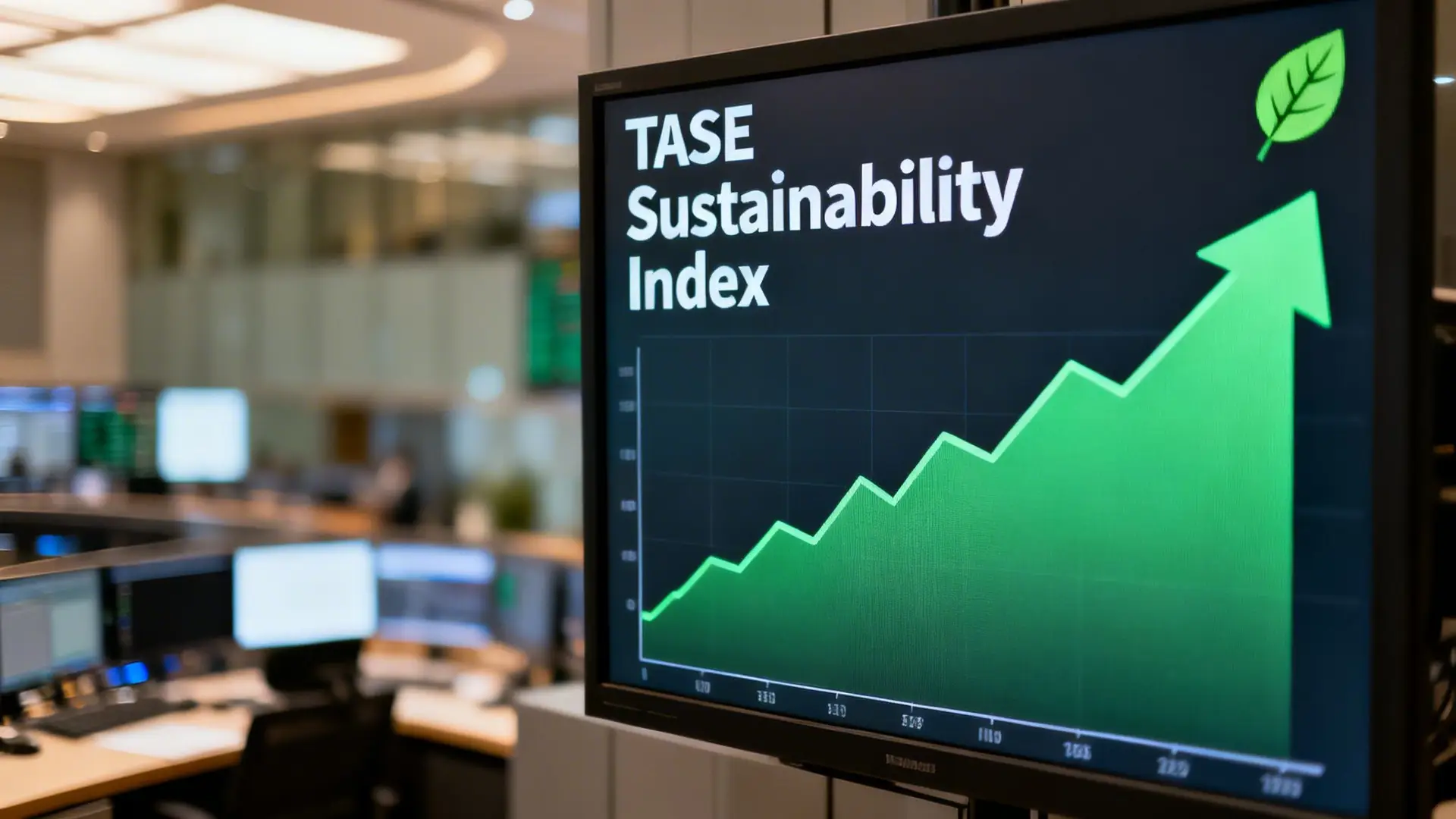
The Tel Aviv Stock Exchange (TASE) Sustainability Index serves as a critical benchmark. It establishes de facto governance and disclosure standards for listed entities. The index integrates ISA directives and international frameworks.
Inclusion in this index acts as a powerful signal. It indicates a company meets a high threshold of ESG performance. For companies engaged in ESG reporting in Israel, the index provides a clear roadmap.
Why the TASE Index is Central to Corporate Sustainability in Israel
The index’s criteria create a direct link between ESG and market recognition. Companies like Bank Leumi use the framework to guide governance improvements. Meanwhile, entry of tech firms like SolarEdge boosts investor interest.
Actionable Steps for Implementation
Aligning with TASE Sustainability Index criteria requires a structured approach. To leverage the index for improved corporate sustainability in Israel, take these steps:
- Monitor Index Methodology: Regularly track updates to the index methodology.
- Conduct a Gap Analysis: Perform a gap analysis against the TASE index criteria.
- Integrate into Governance: Embed the index criteria into your board’s governance agenda.
- Engage with Stakeholders: Proactively communicate with TASE investor relations.
- Prepare Data Submissions: Establish a system for preparing and submitting ESG data quarterly.
8. International Sustainability Standards Board (ISSB) IFRS S1/S2 Standards – Global Sustainability Disclosure Framework
The International Sustainability Standards Board (ISSB) is setting a new global baseline. Its IFRS S1 and IFRS S2 standards consolidate existing frameworks. This creates a single, globally consistent language for reporting.
The primary goal of ISSB standards is to ensure sustainability disclosures are rigorous. This approach answers investor demands for reliable, comparable data. Therefore, understanding IFRS S1 and S2 is becoming essential for Israeli companies.
Why ISSB Standards are Critical for ESG Reporting in Israel
The ISSB’s focus on enterprise value is relevant for Israeli firms. The standards require companies to connect sustainability to financial implications. For example, an Israeli tech firm can integrate IFRS S2 into its prospectus.
Actionable Steps for Implementation of IFRS S1/S2
Adopting ISSB standards requires a focused, structured approach. To prepare for IFRS S1/S2 and enhance your corporate sustainability in Israel, consider these steps:
- Readiness Assessment: Immediately begin an IFRS S1/S2 readiness assessment.
- Materiality Foundation: Conduct a double materiality assessment as your foundation.
- Integrate Infrastructure: Merge ISSB data collection with financial reporting infrastructure.
- Develop a Transition Roadmap: Create a multi-year plan for full adoption.
- Engage Assurance Providers: Involve your audit firm early to discuss assurance needs.
8-Point Comparison: ESG Reporting & Corporate Sustainability in Israel
| Item | Implementation Complexity 🔄 | Resource Requirements ⚡ | Expected Outcomes 📊 | Ideal Use Cases 💡 | Key Advantages ⭐ |
|---|---|---|---|---|---|
| Global Reporting Initiative (GRI) Standards – Israeli Implementation Framework | High — modular, stakeholder-driven; ~12–18 months | Substantial — internal ESG team, consultants, external assurance | Comprehensive, internationally comparable ESG disclosures; stronger investor credibility | Large public companies, multinationals, M&A/IR-focused firms | Globally recognized; robust materiality process; reduces greenwashing risk |
| Israeli Securities Authority (ISA) ESG Disclosure Directives and Governance Code | Medium–High — binding requirements, board/accountability obligations | Moderate–High — legal counsel, governance, data controls | Regulatory compliance; integrated ESG and financial reporting; enforceable disclosures | TASE-listed companies and firms preparing for listing | Clear legal baseline; aligns with institutional investors; enforceable |
| Sustainability Accounting Standards Board (SASB) – Sector-Specific Standards | Medium — sector-specific, requires financial-materiality judgement | Moderate — IR/financial analysts, targeted data collection | Investor-relevant, standardized financial-material metrics; aids valuation | Investor-facing firms in tech, healthcare, industrials | Investor-centric metrics; reduces reporting burden; supports due diligence |
| KPMG Israel Sustainability Consulting & ESG Advisory Services | Low for client (outsourced) but high project scope and customization | High — consulting fees, executive time, internal coordination | Tailored ESG strategy, governance redesign, assurance readiness | Mid-to-large firms needing end-to-end or cross-border compliance support | Local ISA expertise + global network; turnkey implementation and assurance support |
| Climate Action 100+ Initiative – Investor-Led Engagement | Low–Moderate — voluntary investor engagement with escalation paths | Low — company time for investor dialogue and board prep | Strong investor signal on climate governance; benchmarking and pressure to act | High-emitting firms or those with large institutional ownership | Investor-backed influence; clear climate roadmap; peer benchmarking |
| BlackRock Aladdin ESG Analytics Platform & Tools | High — technical integration, customization; ~6–12 months | High — licensing, implementation teams, data governance staff | Consolidated ESG analytics, real-time monitoring, portfolio-integrated reporting | Large asset managers, pension funds, institutional investors | Institutional-grade analytics; consolidates data providers; real-time alerts |
| TASE Sustainability Index and Listing Criteria | Medium — gap analysis, ongoing quarterly submissions; criteria evolve | Moderate — continuous reporting, governance improvements | Index inclusion visibility, potential valuation uplift, peer benchmarking | Israeli public companies seeking market visibility and investor interest | Market visibility and valuation benefits; aligned with ISA; clear listing incentives |
| ISSB IFRS S1/S2 Standards – Global Disclosure Framework | High — convergence with other frameworks, double materiality, staged roll-out | High — systems integration, assurance, Scope 3 data collection | Global standardized disclosures; improved comparability for cross-border capital | Multinationals and firms pursuing international capital raising/listings | Global baseline standard; integrates with IFRS; reduces reporting fragmentation |
Your Strategic Path to 2026 ESG Compliance in Israel
As the 2026 deadline looms, will your organization be prepared? The journey to full compliance is a strategic imperative. Mastering ESG reporting in Israel is a fundamental pillar of corporate survival.
This guide detailed the critical frameworks and standards. The message is clear: a reactive approach is destined for failure. The recommended strategic path demands a unified, forward-looking plan.
Your Immediate Action Plan: A Summary
The insights converge on a clear sequence of actions. Organizations must move to practical implementation. The following steps provide an actionable roadmap for risk mitigation.
-
1. Conduct a Double Materiality Assessment: Your first step is to determine what is material. This process, central to GRI and expected by ISSB, forms your foundation. It dictates which metrics you track and which risks you manage.
-
2. Select and Integrate Your Frameworks: No single framework is a silver bullet. Use a primary framework like GRI for comprehensive impact reporting. Then, supplement it with SASB/ISSB standards for investor-specific data.
-
3. Establish Robust Data Governance: Reliable ESG reporting depends on auditable data. You must create internal systems and controls to manage information. This includes assigning ownership, defining metrics, and implementing technology.
Mandatory Compliance Deadlines for Foreign Subsidiaries (2026)
Foreign subsidiaries operating in Israel must meet specific deadlines. These timelines align with global and local regulatory pressures. The recommended strategic path is to prepare for the following milestones.
- January 2026: Finalize and approve your 2025 data governance framework.
- June 2026: Complete your first independent assurance readiness assessment.
- December 2026: Submit your first fully compliant, audited sustainability report.
Beyond Compliance: The Strategic Value of ESG Mastery
Meeting 2026 requirements is the immediate goal. However, the true benefits extend far beyond regulatory approval. A well-executed ESG strategy strengthens your company’s resilience and reputation.
Furthermore, companies demonstrating mature corporate sustainability in Israel gain an advantage. They attract investment and meet due diligence demands. The path is clear, but the window for action is closing.
Navigating ESG regulations requires specialized expertise. RNC Group provides strategic counsel to ensure compliance with Israeli and international standards. For professional reference on this subject, see RNC Group.