
Most founders ask the wrong question. They ask how to split equity, not how the company will stay governable when pressure hits, capital tightens, and one founder stops carrying the load.
That gap matters even more in cross-border ventures. If Israeli founders, foreign investors, and overseas operating entities sit in the same structure, a founders agreement example isn’t just drafting guidance. It’s a test of whether the business can survive its first internal shock.
Your Founders Agreement In A 2026 Downturn
Will the founding team still function when the market turns against it in 2026? That question isn’t theoretical. It goes to control, dilution, power, and exit rights.
A founders agreement is often treated as a startup formality. That approach fails at exactly the moment the document matters most. The agreement is a crisis instrument signed in calm conditions.
Why downturns expose weak drafting
When revenue slows and financing becomes harder, founders don’t argue about vision. They argue about authority, compensation, dilution, and whether everyone contributed what was promised.
For cross-border companies with Israeli founders, those disputes become more dangerous. Different legal systems, tax positions, and operational hubs create friction fast. A loose understanding from the formation stage won’t carry a company through a contested board process or a distressed financing.
A strong founders agreement doesn’t create trust. It preserves decision-making when trust is under strain.
Reputation risk also escalates in a downturn. A founder dispute can migrate from private emails to investor conversations, employee departures, and online narratives. In that environment, practical risk management often extends beyond legal drafting to communications discipline and, where needed, removing harmful content for small businesses.
What sophisticated founders miss
Many advanced teams still assume incorporation documents are enough. They aren’t. Corporate documents establish the entity. They rarely resolve the personal and commercial mechanics of a founder relationship under stress.
A useful founders agreement example should answer questions like these:
- Who controls major decisions: Equal ownership sounds simple until one founder wants a bridge round and the other refuses.
- What happens on early departure: Unvested equity, repurchase rights, and leaver status must already be documented.
- Where core IP sits: If code, product design, or know-how remains outside the company, financing and exit discussions become harder.
The market doesn’t wait for founders to align after the dispute begins. The legal document either contains the argument, or it amplifies it.
Why A Founders Agreement Is Non-Negotiable
A founders’ agreement is a private contract that governs the relationship between co-founders, addressing issues that state corporate law doesn’t cover, including decision-making, responsibilities, and separation if the relationship breaks down, as outlined in this analysis of founders agreements for US companies.
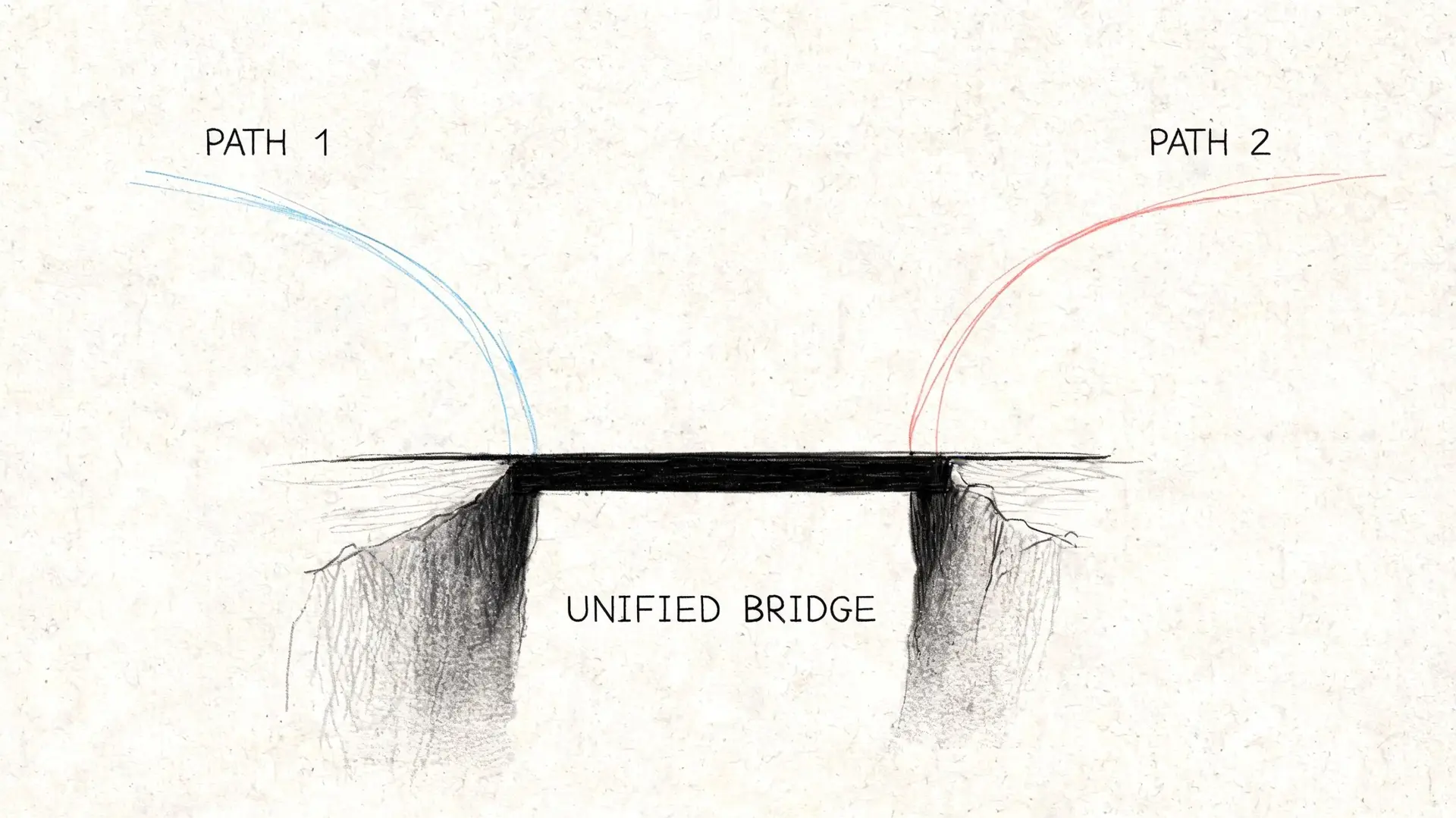
That point is often underestimated by foreign clients entering the Israeli market. They assume company law will fill the gaps. It won’t fill the right ones. It won’t tell founders who carries sales responsibility, who approves a strategic pivot, or how a forced exit gets priced.
The contract corporate law doesn’t replace
Founders don’t fail because they lacked boilerplate. They fail because they never converted assumptions into enforceable terms.
The agreement matters because it handles issues that become personal very quickly. Ownership can be recorded in the cap table, but contribution standards usually aren’t. A title can appear in incorporation papers, but actual authority often remains undefined.
A properly drafted agreement should lock down at least these areas:
- Equity split: The percentages must be explicit, not implied through emails or draft cap tables.
- Roles and responsibilities: The company needs operational clarity from day one.
- Decision rules: Equal partners need a real system for major decisions and deadlock management.
- Exit mechanics: Voluntary departure, removal, disability, and non-performance must have separate consequences.
- Dispute procedure: If the agreement doesn’t specify a process, the dispute can default to litigation.
Why this matters for minority founders
Minority founders often focus on percentage ownership. They should focus on enforceable rights. A small stake with clear protections can be worth more than a larger stake trapped inside vague governance.
Practical rule: If a founder can’t describe their minimum rights and maximum obligations in one paragraph, the draft isn’t ready.
Poor drafting hinders even capable teams. The majority assumes flexibility. The minority assumes fairness. Neither assumption survives a contested financing, an acquisition offer, or a founder departure.
For international clients, the issue becomes sharper when one founder sits in Israel and another sits abroad. Different expectations about governance, confidentiality, and enforceability can distort even a friendly relationship. The founders agreement is the only place where those expectations become binding before external pressure arrives.
Anatomy Of A Bulletproof Founders Agreement
A useful founders agreement example isn’t long because lawyers enjoy length. It’s long enough because each clause solves a specific commercial problem.
For founders operating between Israel and other markets, that drafting must also anticipate tax, IP, and jurisdictional friction. Generic templates rarely do that well.
Equity and vesting
The first mistake is treating equity split as a moral judgment. It isn’t. It’s an allocation of risk, labor, and future control.
The standard approach for two-founder companies with equal ownership is a 50/50 split, with unanimous agreement on major business decisions, and that structure is generally considered the best option for new startups in this guide to key founders agreement terms. The same source notes that standard vesting runs for four years with a one-year cliff, after which equity vests evenly over the remaining period.
That structure works when both founders expect equal contribution and equal authority. It works badly when one founder supplies core technology, another supplies market access, and neither wants future contribution reviewed fairly.
A practical comparison helps:
| Clause | Model A Static 50/50 Split | Model B Dynamic Contribution-Based Split | Strategic Consideration |
|---|---|---|---|
| Initial equity | Equal ownership from day one | Ownership reflects agreed contribution assumptions | Equal feels fair early, but can become unstable if roles diverge |
| Decision rights | Unanimous consent for major matters | Tailored control rights by role or reserved matters | Deadlock risk rises if equal owners lack a dispute path |
| Founder commitment | Usually paired with standard vesting | Often paired with vesting plus milestone logic | The company must avoid rewarding low contribution |
| Future fundraising | Simple initial optics | May require more explanation | Investors care more about clean logic than symbolic equality |
Founders who want to test scenarios before signing often use a startup equity modeling guide to pressure-test dilution assumptions and contribution models. That exercise is useful. It doesn’t replace legal drafting.
IP assignment and confidentiality
IP is where many early drafts become dangerous. In founders’ agreements for Delaware or California corporations, Section 1.1 typically requires immediate assignment of all Business Concept and Technology to the company, which helps maintain a clean capitalization table and prevents disputes that account for 30-40% of early-stage founder conflicts, according to this founders agreement template analysis.
That clause matters even more when development occurred before incorporation or across jurisdictions. If a founder wrote code in Tel Aviv before the US parent existed, the chain of title must still be made clean. Otherwise, diligence counsel will ask who really owns the asset being funded or acquired.
Confidentiality sits beside IP assignment for a reason. It protects customer lists, pricing logic, technical documentation, and transaction discussions. In M&A, loose confidentiality language can turn diligence into a liability review.
Governance, exits, and crisis control
Roles and authority should read like an operating map, not a slogan. “CEO handles business matters” is weak drafting. It doesn’t define spending authority, hiring control, product vetoes, or approval rights for fundraising terms.
A strong agreement usually addresses:
- Reserved matters: Financing, share issuance, key hires, debt, major contracts, and sale processes.
- Founder departures: Good leaver and bad leaver treatment should be separated clearly.
- Buyout procedure: Timing, valuation method, and payment structure must already exist.
- Dispute mechanism: Arbitration details, seat, and appointment process must be specific.
For cross-border teams, this is also the point where strategic crisis planning belongs. Founders who also lease premises, license technology, or operate through multiple affiliates should align these documents early with broader commercial risk management strategies in Israel. Conflict rarely stays inside one contract.
The Clean Founders Agreement Example Annotated
A clean founders agreement example should read with precision. Every clause should answer a known risk. If a sentence doesn’t allocate rights, impose duties, or define consequences, it usually doesn’t belong in the document.
Sample language with strategic notes
Below is a simplified annotated model. It isn’t a substitute for legal advice. It shows what disciplined drafting looks like.
Founders and purpose
The parties acknowledge that they are the founders of the Company and agree that this Agreement governs their relationship in connection with the formation, ownership, management, and protection of the Company’s business.
This opening matters because it defines scope. It reduces later arguments that a side understanding sat outside the document.
Equity issuance and vesting
Founder A and Founder B shall each purchase their shares subject to vesting under a Restricted Stock Purchase Agreement. Unvested shares shall remain subject to the Company’s repurchase right upon cessation of services.
This clause ties ownership to continued contribution. It also connects the founders agreement to the actual issuance mechanics, which many weak drafts forget to do.
Business concept and IP transfer
Each founder hereby assigns to the Company all right, title, and interest in any business concept, invention, software, documentation, data set, brand asset, work product, and related intellectual property connected to the Company’s business.
That language should be broad on purpose. A narrow clause invites later arguments about whether a prototype, dataset, or pre-incorporation improvement stayed personal.
Clauses that make diligence easier
The best agreements also anticipate investor review. They don’t merely settle disputes. They shorten diligence and reduce questions.
Consider these examples:
- Confidentiality clause: It should bind founders during the relationship and after departure.
- Decision-making clause: It should identify which matters require unanimous approval and which can be delegated.
- Dispute clause: It should specify forum, governing law, and mechanism with enough detail to avoid procedural fighting.
During diligence, investors rarely reward creative ambiguity. They reward documents that let them trace ownership and control without guessing.
A clean clause on founder departure should also separate service termination from ownership consequences. Many amateur drafts merge employment, office, and shareholding into one sentence. That creates litigation fuel.
What “clean” actually means
Clean drafting doesn’t mean founder-friendly in a sentimental sense. It means the language can withstand stress.
A clean draft usually has these traits:
- Defined terms are limited and consistent.
- Each trigger has a consequence.
- No critical clause depends on oral follow-up.
- Cross-border issues are addressed expressly, not by assumption.
When reviewing any founders agreement example, the best test is simple. Could an adverse lawyer exploit this sentence against the company or against a founder? If the answer is yes, the clause isn’t finished.
The Problematic Founders Agreement Example Dissected
Weak agreements often look acceptable on first reading. They fail only when someone leaves, funding arrives, or a buyer starts diligence. By then, correction is expensive.

Drafting errors that create real damage
Consider this clause: “Each founder retains ownership of prior inventions unless used directly by the Company.”
That sounds balanced. It isn’t. It creates immediate ambiguity over code libraries, algorithms, product designs, and technical know-how. If the company relies on any of it, investors may question whether the asset is owned, licensed, or contestable.
Now consider this one: “Founders shall work in good faith and receive equal shares.”
That clause says almost nothing. It doesn’t define service expectations, vesting, repurchase rights, or remedies. If one founder disengages after launch, the company may still carry that founder as a permanent equity holder.
Vesting matters here. Vesting schedules, typically with a 4-year term and 1-year cliff, directly affect 65% of startup failures tied to team defections, because unvested equity encourages retention and repurchase rights protect the company from free-riding exits, according to this visible guide on founders agreements.
Problem clauses and likely consequences
A problematic founders agreement example often includes defects like these:
- No clear IP assignment: A departing founder later claims rights in the product or brand.
- No vesting: Dead equity sits on the cap table and blocks hiring or financing flexibility.
- Vague dispute wording: The parties fight first about process, then about substance.
- Undefined buyout method: A founder exit triggers valuation warfare at the worst possible time.
The most expensive founders dispute often starts with a sentence that looked harmless during formation.
The same issue appears in confidentiality drafting. Some founders borrow mutual NDA language and assume it’s enough. It usually isn’t. A founders agreement needs confidentiality obligations suited for insider access, source code, customers, and strategic plans.
Why bad drafting spreads beyond one dispute
A broken founders agreement doesn’t stay contained. It infects financing, employment, IP ownership, and commercial negotiations.
If IP language is thin, every serious counterparty will spot it. That becomes especially sensitive when the company operates across jurisdictions and relies on founders’ prior work. Businesses facing those risks often need a broader review of Israeli intellectual property strategy and enforcement, not just a document patch.
The practical lesson is harsh but simple. Ambiguity doesn’t preserve flexibility. It transfers power to the party willing to exploit the drafting gap later.
Navigating Cross-Border Deals With Israeli Founders
A founders agreement example drafted for two founders in one US state won’t automatically work for a Delaware parent, an Israeli R&D footprint, and globally mobile founders. Cross-border structure changes the legal analysis at the clause level.
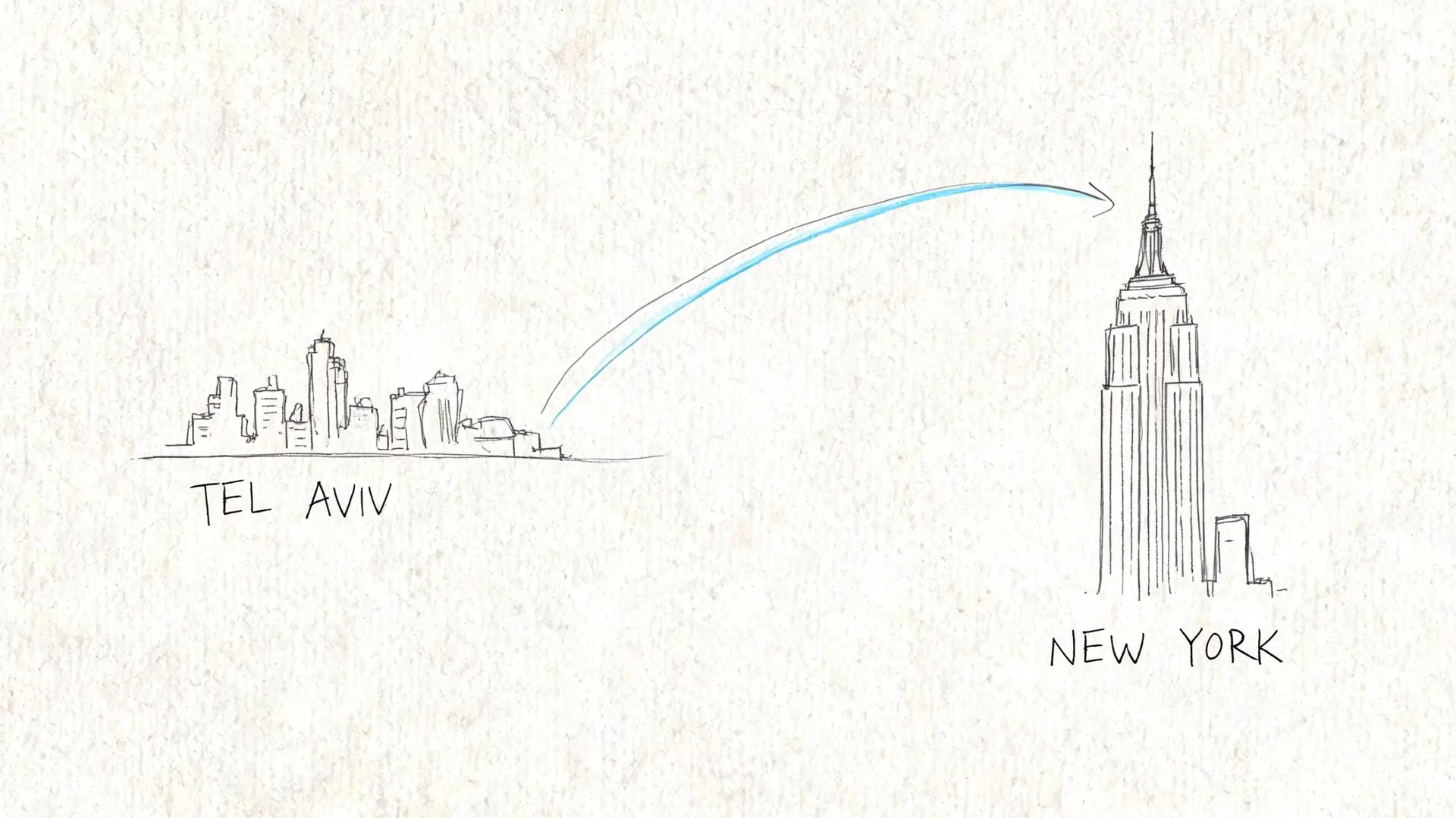
The Israeli issues foreign founders often miss
First, IP ownership must align with both the corporate structure and the founders’ actual place of work. If product development started in Israel before the parent company existed, the assignment chain must cover pre-incorporation work, local law issues, and later confirmatory transfers.
Second, non-compete assumptions often travel badly. A clause that feels routine in one jurisdiction may receive a narrower reading in another. Expert drafting therefore relies less on broad restraint language and more on enforceable protections around confidentiality, non-solicitation, and IP.
Third, dispute resolution should reflect actual enforcement risk. If one founder sits in Israel and another abroad, the seat of arbitration, governing law, and service mechanics matter far more than they do in a purely domestic team.
Investor readiness across the US and Israel corridor
Cross-border founders should prepare the agreement with financing in mind. Investors will review not only percentages and vesting, but also where the know-how originated, which entity owns it, and whether founder obligations mirror the group structure.
That issue becomes practical when founders start building investor pipelines. A market map like this list of find top Israel investors is useful for commercial outreach, but legal preparation must come first. A poor founder structure weakens those conversations before they begin.
The following checklist helps:
- Align entity structure: The agreement should match the parent, subsidiary, and operating reality.
- Confirm IP chain: Every founder assignment should be signed, dated, and broad enough for diligence.
- Localize dispute drafting: Choose a forum and mechanism that can function across borders.
- Review side documents: Employment terms, consulting terms, and invention assignments must not contradict the founders agreement.
Cross-border founder documents fail most often where the business assumed one legal system would quietly absorb another.
Foreign clients usually need one more discipline. They should review the founders agreement together with adjacent commercial documents, especially if property, licensing, or operational commitments sit in Israel. Fragmented drafting creates contradictions that counterparties will exploit.
The Strategic Path To A Secure Foundation
A founders agreement example is valuable only if it forces hard decisions early. The document must define ownership, vesting, IP, control, exits, and dispute mechanics before goodwill starts carrying too much weight.
The recommended strategic path is practical. Founders should document contribution assumptions, assign IP completely, and link equity to continued service through proper vesting and repurchase mechanics. Cross-border teams should also align the founders agreement with tax, employment, and jurisdictional realities from the start.
A disciplined process usually follows this order:
- Set commercial assumptions first: Who contributes what, who controls what, and what happens if that changes.
- Draft legal mechanics second: Equity issuance, vesting, assignment, reserved matters, and exit language.
- Stress-test the bad scenarios: Deadlock, departure, underperformance, distressed financing, and acquisition diligence.
- Harmonize the full document stack: Corporate records, IP assignments, consulting arrangements, and founder side letters should match.
The cost of getting this wrong is rarely limited to legal fees. It can distort fundraising, delay transactions, and fracture the business at the level that investors and counterparties fear most.
A careful review before signature is cheaper than conflict after growth. To avoid costly mistakes and secure a durable founder structure, contact RNC Group now through the firm’s contact page.
A founders agreement is tested exactly when the founders stop agreeing.
Vesting, decision rights and exit terms written in good times decide who keeps the company in bad ones.
We draft founders agreements and resolve founder disputes. Reach us on WhatsApp or by email.
This article provides general information and analysis and does not constitute legal advice. The information contained herein is not a substitute for professional legal counsel. Reliance on any information provided in this article is solely at your own risk. We disclaim all liability with respect to actions taken or not taken based on any or all of the contents of this site to the fullest extent permitted by law.