
If you’re treating a personal guarantee as paperwork, you’re already exposed. In 2026, the primary question isn’t whether the lender required the guarantee. It’s whether anyone built a strategy to get you out of it.
Foreign executives entering Israel often assume the company structure protects them. That assumption collapses the moment a lender, landlord, supplier, or financing counterparty demands a personal undertaking from a director, founder, or parent-side decision maker. A personal guarantee release isn’t an administrative closing item. It’s a negotiated exit from personal liability, and the negotiation starts long before the debt is repaid.
Your Guarantee A Signature or a Financial Cage
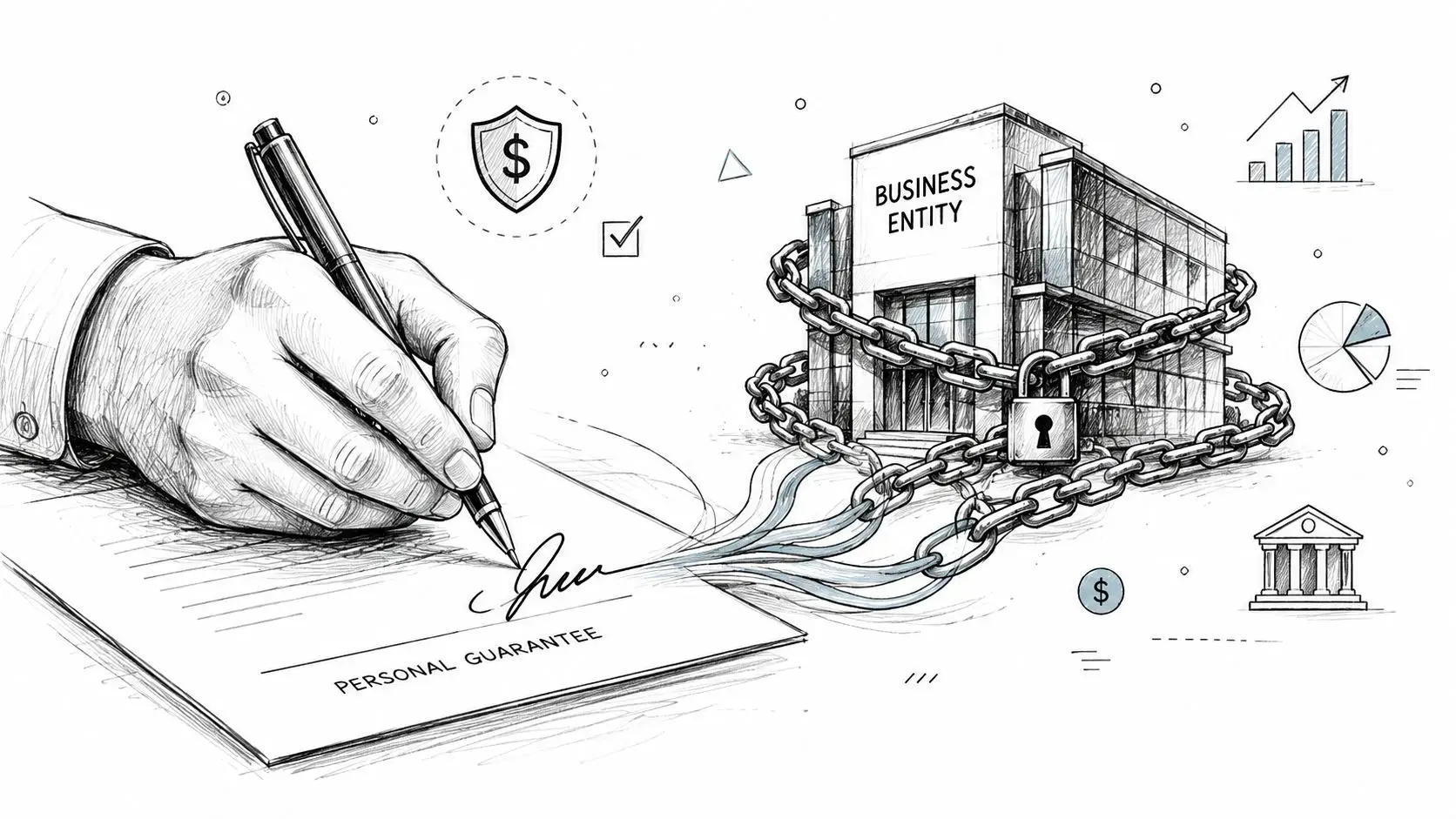
A personal guarantee strips away the comfort many foreign owners expect from a limited liability structure. Once signed, the creditor doesn’t care much about your corporate theory. The creditor cares about enforceable recovery.
A Release of Personal Guarantee is the document that severs that liability. It functions as the formal discharge of the guarantor’s financial obligations, usually after the underlying obligation ends or the lender agrees to release the guarantor on negotiated terms, as described in this overview of release of personal guarantee documents.
Why this issue is bigger than most executives admit
In the United States, nearly 59% of small businesses reported using a personal guarantee to secure funding, according to the Federal Reserve survey summarized by Swoop Funding on personal guarantees. That figure matters because it confirms the obvious commercial reality. Creditors treat personal liability as standard security, not an exception.
Israel follows the same commercial instinct, but with its own legal tension. In Israel, personal guarantees are a standard requirement demanded by banks and lenders from third parties as security for commercial loans, reflecting the tension between commercial necessity and consumer-protection laws, as discussed in this SSRN analysis of guarantees in Israel.
Practical rule: If the guarantee got the deal approved, the release won’t arrive by goodwill. It must be earned, argued, and documented.
That reality becomes even harsher when foreign shareholders assume the corporate veil still shields them in practice. It often doesn’t. For directors who need a broader perspective on how personal exposure can break through entity boundaries, the analysis from Lerner & Weiss APC corporate veil experts is a useful comparative reference.
The Israeli angle foreign clients often miss
Israeli creditors usually negotiate from a position of habit and advantage. They see guarantees as ordinary risk allocation. They rarely volunteer a release merely because the business performed reasonably well.
That means the strategic target should be fixed early. The guarantor should identify the release trigger before signing, preserve every later argument, and treat each amendment, extension, or restructuring as a chance to renegotiate the personal exposure.
A guarantee is easy to sign under transaction pressure. A personal guarantee release is much harder to obtain after the counterparty has everything it wanted.
Assessing Your Legal Grounds for a Release

What exactly did you guarantee, and does the paper still support the exposure the creditor is trying to preserve?
That is the right opening question. Full repayment is only one route out. In Israeli commercial practice, a release often turns on something harder and more useful. Whether the guarantee still binds on the terms the lender now claims.
The first pressure point is the continuing guarantee. Foreign directors regularly sign what they believe is support for one facility, one lease, or one short-term credit line. The drafting often says something else. UK Finance guidance on personal guarantees warns that continuing guarantee wording can extend liability beyond the original borrowing and create disputes over later facilities, amendments, and renewals.
That is where release negotiations become strategic. If the company refinanced, rolled debt, increased limits, changed repayment mechanics, or added related borrowing, the lender may argue that your old signature still covers the new risk. You should assume the creditor will make that argument if the wording gives it any room.
Continuing guarantees are built to outlive the deal you remember
This is the trap. The business relationship evolves. The guarantee stays still on paper, then suddenly expands in practice.
A serious legal review asks questions a finance team usually misses. Did the lender enlarge the guaranteed exposure beyond the original commercial understanding? Did later documentation materially change the risk the guarantor accepted? Was the guarantor properly notified, or did the creditor rely on broad waiver language and keep moving?
Under Israeli law, those details matter because they shape bargaining power. A lender with a clean document set and careful amendment history can press hard. A lender with messy consent mechanics, inconsistent drafting, or sloppy execution has a problem, and that problem can be turned into release pressure.
A continuing guarantee becomes dangerous when routine amendments quietly turn a limited commitment into open-ended personal exposure.
Defects in the file change the negotiation
Creditors prefer to present release as a favor. Do not accept that framing if the paperwork is weak.
Your grounds for release may come from drafting defects, missing signatures, unclear incorporation of amendments, conflicts between the facility agreement and the guarantee, or creditor conduct that changed the bargain after the guarantee was signed. In cross-border structures, those flaws become more valuable because enforcement is slower, more expensive, and more vulnerable to challenge on scope and procedure.
The comparative point from Japan is still useful here, even without repeating the source. As noted earlier in the article, stricter formality rules for guarantor obligations reflect a broader legal reality. Courts and lawmakers do not trust casual expansion of personal liability. That should shape your approach in Israel as well. If the lender handled the guarantee carelessly, you have an opening. Use it.
What to test before asking for a release
Read the document like opposing counsel. Assume every vague phrase will be used against you, then identify where that effort breaks down.
- Scope of debt covered: Does the guarantee attach to one identified obligation, all current obligations, or future indebtedness of any kind?
- Consent to amendments: Does it allow the lender to extend time, increase exposure, or restructure the debt without fresh guarantor approval?
- Notice waivers: Has the guarantor waived notice of default, amendments, additional advances, or impairment of other security?
- Revocation mechanics: Can the guarantee be terminated prospectively, and if so, by what exact notice method and timing?
- Corporate changes: Does the text survive mergers, share transfers, internal reorganizations, or borrower substitutions?
- Cross-border enforcement terms: Which law governs, where can proceedings be filed, and does the document contain recognition or service provisions that make enforcement easier abroad?
If this review shows real weakness, stop speaking like a supplicant. The release request should be framed as a rational resolution to a flawed guarantee position. If the document is strong, shift to commercial pressure and substitute protections. The mistake is treating both situations the same.
The Pre-Negotiation Strategic Checklist
Most release negotiations fail before the first call. The guarantor approaches the lender with emotion, vague complaints, or a repayment narrative. That approach invites delay.
A disciplined file wins more than indignation. Before anyone asks for a personal guarantee release, the guarantor should build a factual record that makes refusal costly or unnecessary.
Build leverage before contact
Start with the guarantee itself. Read the signed version, every amendment, and every side letter. Then compare them against board approvals, financing schedules, collateral filings, and correspondence with the lender.
Next, audit the business’s current risk profile. The lender won’t release personal recourse unless the file shows a business that stands on its own feet.
-
Collect the complete signed package
Pull the original guarantee, facility agreement, amendments, security documents, and any settlement papers. Missing annexes often hide the clause that defeats the release. -
Map the debt against actual performance
Prepare a concise payment history, current balances, covenant status, and evidence of operating stability. The point isn’t to impress. The point is to show the lender no longer needs your personal backstop. -
Identify every other security right
List pledges, fixed charges, floating charges, receivables assignments, escrow arrangements, and corporate guarantees. If the creditor already holds enough security, personal liability starts looking redundant.
Apply the Israeli risk discipline
Israeli practice rewards precision, not optimism. Shareholders should push to cap exposure and keep revisiting it during the life of the credit.
As noted in this Israeli discussion of limiting personal guarantee exposure, shareholders must insist that a personal guarantee be limited to a specific, predetermined amount rather than the full credit balance, and must regularly monitor the company’s credit status to adjust guarantees accordingly. That advice isn’t theoretical. It’s the practical baseline for anyone exposed in Israel.
Working assumption: If the amount isn’t capped and the credit isn’t monitored, the guarantor isn’t managing risk. The guarantor is absorbing it.
Assemble the negotiation file
A strong pre-negotiation file usually includes:
- A liability summary: One page stating what was guaranteed, what remains outstanding, and why continued personal recourse is disproportionate.
- A business stability packet: Recent financial statements, management accounts, key contracts, and evidence of orderly operations.
- A substitute security proposal: Specific assets, reserves, or corporate undertakings that can replace personal liability.
- A draft release framework: Proposed language, release conditions, lien clean-up demands, and timing.
- A dispute memo: A short legal analysis of drafting weaknesses, procedural defects, or creditor conduct issues.
Foreign directors should also check whether related agreements create hidden backdoors. Franchise agreements, management agreements, founder arrangements, and shareholder undertakings often carry overlapping liability logic. For executives managing that wider exposure, resources on commercial contracts in Israel, partnership and founders arrangements, and commercial risk management strategy help frame the issue correctly.
The release discussion should begin only after that file is complete.
Advanced Negotiation and Alternative Solutions

A lender doesn’t release a guarantee because the guarantor asks politely. The lender releases it when the lender sees equal protection, lower enforcement risk, or a cleaner commercial outcome.
That requires tactics. The guarantor must present the release as the next logical step in a structured deal, not as a favor.
Match the tactic to the lender’s real concern
Some lenders care about repayment certainty. Others care about internal policy, optics, or preserving a pressure point over management. The negotiation must identify that motive first.
If the company is performing strongly, the best line is blunt. The personal recourse no longer matches the actual risk, and continued insistence on it distorts the relationship.
If the company is under pressure, the guarantor should stop demanding a naked release. The better move is to trade the release for something measurable and easier for the lender to defend internally.
The strongest proposal doesn’t ask the lender to accept more risk. It shows the lender where the risk has already moved.
Viable alternatives to immediate full release
Use alternatives strategically. They should narrow exposure, improve documentation, and create future release triggers.
-
Substitute collateral
Offer specific business assets, receivables, inventory, or reserve arrangements in place of personal liability. This works best where the lender wants tangible coverage. -
Staged release mechanics
Tie partial or full release to milestones such as refinancing completion, sustained covenant compliance, or reduction of outstanding exposure. Milestones force the lender to commit to a timetable. -
Company indemnity structure
A guarantor who cannot secure immediate release should seek strong internal reimbursement rights from the company and, where relevant, from co-shareholders. This doesn’t remove lender rights, but it reallocates loss internally. -
Escrow or reserve account
A ring-fenced reserve can reassure the creditor during a transition period. It also limits the lender’s argument that only personal exposure keeps the file safe.
Use broader commercial pressure carefully
A personal guarantee release often belongs inside a larger commercial reset. That may include debt restructuring, settlement of arrears, amendment of repayment terms, or exit from a failing business line.
In those cases, legal correspondence matters. A weak letter invites posturing. A disciplined demand package can frame the release as part of a global resolution and preserve later claims if the lender acts opportunistically. Cross-border businesses facing collection pressure should think in that integrated way, especially where the same creditor relationship also affects commercial debt recovery in Israel.
The lender should leave the negotiation with a clear choice. Accept a controlled, documented release structure now, or face a more expensive dispute later over scope, enforceability, and conduct.
Drafting the Release and Avoiding Critical Pitfalls
Payment alone doesn’t end the risk. Documentation does.
That point becomes brutal in distressed finance and settlement work. Guarantors often pay, settle, or facilitate repayment, then discover the creditor preserved enough wording to revive pressure later.
Why a weak release fails
Data from Chambers on personal guarantee disputes shows that 65% of MCA default disputes involved renewed enforcement against guarantors after repayment because the settlement lacked a global release clause vacating liens and judgments against personal assets. That isn’t a drafting footnote. It’s the difference between closure and another enforcement cycle.
The same lesson applies in Israel, especially where lenders, non-bank financiers, and aggressive counterparties rely on layered documents. If the release doesn’t extinguish every connected claim, the creditor may keep one hand on the guarantor’s throat.
What the release should actually do
The document should state, in direct terms, that the guarantor is fully and finally discharged from all obligations under the guarantee and any related instrument. It should also address every enforcement residue the creditor may still hold.
At a minimum, a serious release package should cover:
- The guarantee itself: Identify the exact guarantee, date, parties, and related transaction.
- All related liabilities: Include present, contingent, future, known, and unknown claims connected to the guaranteed obligation.
- Security clean-up: Require release of liens, judgments, registrations, notices, and enforcement markers tied to the guarantee.
- No surviving recourse: Confirm the creditor waives any right to pursue the guarantor for later restructurings, deficiencies, fees, or revived balances tied to the released matter.
- Authority and finality: State that the signatory has authority and that the release is binding on successors and assigns.
A lender’s acknowledgment of payment is not a personal guarantee release. It’s only evidence that money moved.
Comparison of Guarantee Release Alternatives
| Alternative | Mechanism | Best For | Key Risk |
|---|---|---|---|
| Simple payoff letter | Confirms balance was paid | Low-risk files with no enforcement history | Often fails to release wider guarantee liability |
| Consent email from lender | Informal statement that lender won’t pursue | Early-stage commercial accommodation | Ambiguous authority and weak evidentiary value |
| Settlement agreement with release paragraph | Release sits inside broader settlement terms | Restructurings and disputed defaults | Hidden carve-outs may preserve claims |
| Deed of release | Standalone formal discharge document | High-stakes guarantees and cross-border files | Poor drafting can still leave residual exposure |
| Global release with security termination package | Full discharge plus lien and judgment clean-up | Files with prior enforcement or multiple instruments | Requires meticulous document tracking |
Why formality still matters
A notarized deed isn’t always legally mandatory in every Israeli matter, but formal execution gives the guarantor stronger proof and fewer later arguments. It also aligns with the broader international trend toward strict guarantor formalities rather than casual releases.
The release should be drafted as though hostile counsel will attack every gap. If the creditor had several affiliates, the release should cover them. If a judgment, lien, registration, or notice exists anywhere in the enforcement chain, the release should require its removal.
Anything less is unfinished work.
The RNC Approach to High-Stakes and Cross-Border Cases
What happens if a foreign director signs an Israeli personal guarantee, leaves the business, pays what he thinks is owed, and learns years later that the creditor still claims against him personally?
That is the core problem. A personal guarantee release is not an administrative cleanup exercise. It is a power contest over who carries the residual risk after the commercial relationship has already started to fracture. In Israeli commercial matters, that contest is usually won before the first release draft appears.
RNC treats these files as strategic disputes from day one. The first question is not whether a release can be requested. The first question is where the creditor is exposed. Sometimes the guarantee is legally vulnerable. Sometimes it is still enforceable but no longer commercially useful. Sometimes the creditor wants to keep it only as pressure against a foreign shareholder, director, or founder who has less local reach and more reputational sensitivity. Each scenario demands a different attack.
Cross-border files raise the stakes because the paper trail, the pressure points, and the enforcement options rarely sit in one place.
A U.S. lender may be comfortable with broad owner guarantees and standardized release practices. Shopify’s explanation of SBA personal guarantee requirements reflects that rule-based approach. Israeli creditors often operate differently. They may rely less on standard release mechanics and more on bargaining power, relationship history, and the practical cost of forcing a foreign guarantor to fight.
Japan offers the opposite lesson, as noted earlier. Strict guarantor formalities can destroy an otherwise useful claim. The Israeli system is more flexible, which helps creditors and creates openings for disciplined defense. That flexibility cuts both ways. If your documents are weak, the creditor may still bluff hard. If your documents are strong, a sloppy release can still leave you trapped.
Serious counsel does four things before the first substantive approach:
- Map every instrument that can preserve liability, including side letters, amendments, settlement terms, indemnities, and affiliate guarantees.
- Identify the true decision-maker. In many files, the person sending demand letters cannot approve a release.
- Build pressure in the right order, starting with documentary weaknesses, then commercial incentives, then formal legal risk.
- Set the endgame before talks begin, including releases, registry removals, internal resolutions, and written confirmation that no affiliated entity retains claims.
This matters most in founder exits, distressed restructurings, franchise disputes, and multinational group conflicts. In those cases, the guarantee is rarely the whole story. It is usually a pressure tool tied to control, repayment sequencing, settlement terms, tax positioning, or future market access in Israel.
Foreign executives make the same mistake repeatedly. They focus on the debt number and ignore the litigation posture. That is amateur thinking. The stronger move is to ask what the creditor loses by refusing the release, what record the creditor wants to avoid creating, and which cross-border facts make prolonged enforcement unattractive.
RNC’s approach is blunt. Do not ask for mercy. Build a file that makes refusal expensive, weakens the creditor’s confidence in enforcement, and forces a clean written release on terms that close every obvious escape route.
Avoid costly mistakes by getting the guarantee, the advantage, and the release language reviewed before the other side defines the battlefield. For strategic guidance on cross-border Israeli commercial exposure, contact RNC Group.
The information provided in this article is for general informational purposes only and does not constitute legal advice. It is not a substitute for consultation with a qualified legal professional. No attorney-client relationship is formed by reading this article. You should not act or refrain from acting based on this information without first seeking legal advice from counsel in the relevant jurisdiction.