
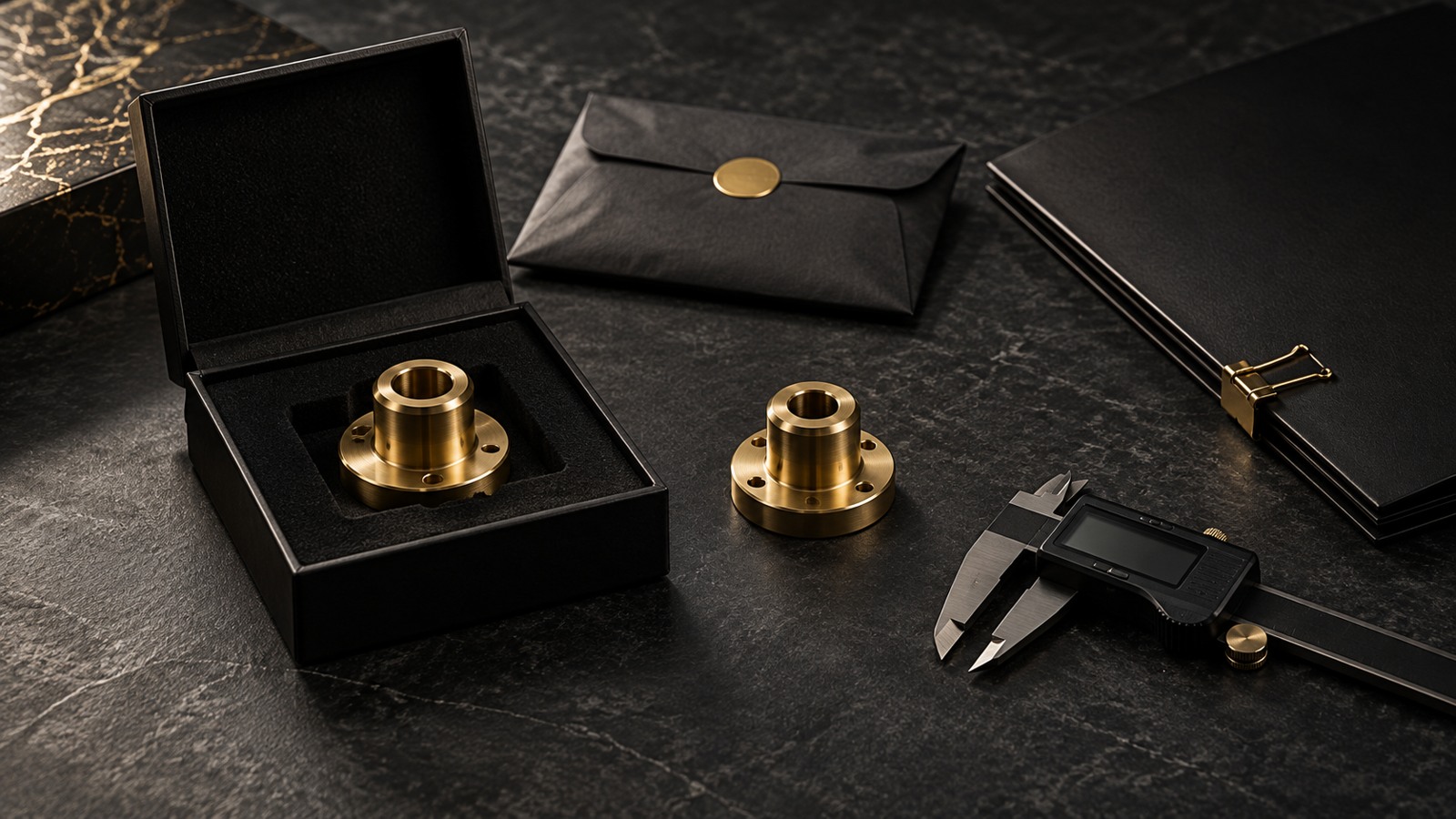
An Israeli supplier sends a sample. Your product team likes the finish. Someone replies, “Approved. Please proceed.” But what, exactly, did they approve: the appearance of that single item, a revised drawing, or the next production batch?
A sample approval can move quickly into production while important differences remain unresolved. If the approved version, quantities or next step are unclear, a later defect or delay may become a dispute about what your company accepted.
For an overseas buyer, the useful question is not whether the sample looks good. It is whether the production instructions describe the same thing that the team examined. Before sending an approval message, build a short record connecting the physical sample, the specification and the proposed next stage.
A sample is something you can inspect. “Approved” is a word that still needs a scope.
Start with the particular sample, not a photograph of something similar
Give the inspected item a reference. Record its sample number, the date received, the supplier’s product reference and the drawing or specification revision used for the review. Photograph the item alongside its label. If there are several variants, identify which one the team examined.
Keep the original image files and the supplier’s accompanying message together. Ask whether the sample came from the proposed production process or was made separately for demonstration. Record the answer rather than treating the two routes as interchangeable.
Separate appearance, dimensions and performance
Use a review table that says what was checked and what was not. A purchasing manager’s visual review is a different activity from an engineer’s measurement or a laboratory test. Do not merge them into a single green tick.
| Review area | What to record | Open question |
|---|---|---|
| Appearance | Colour reference, finish, photographs and reviewer | Which variation has not yet been assessed? |
| Dimensions | Drawing revision, measured features and results | Which measurements remain outstanding? |
| Performance | Test method, conditions, report and item tested | Does the report relate to this exact version? |
| Packaging | Packaging revision and the configuration examined | Was transport packaging included in this review? |
Define the next production step separately
Make a separate list of the proposed next actions: another sample, a pilot batch, tooling work or a commercial production run. Ask the supplier to identify the quantity, production location, materials and process planned for that step, and the document revision the team will use.
Put unresolved differences beside the proposed action. For example: the finish has been reviewed, but the revised connector has not arrived; the dimensions were measured, but the packaging drawing remains open. Compare that record with the commercial documents before deciding how to respond.
Keep a reference item and a change log
Discuss where the reference sample will be kept and how both teams will identify it later. If the supplier proposes a different material, component, production site or drawing revision, put that proposal in the change log before the team gives its next response.
A publicly available manufacturing handbook distinguishes sample parts, master samples, dimensional results, test results and approved engineering changes as separate elements of production approval. Use those distinctions to keep the inspected item, test results and agreed changes linked in the approval record.
Before replying “approved”, gather the whole message chain
Bring together the quotation, purchase order, specification, sample correspondence and proposed approval message. Compare the product references and revisions across them. Flag conflicting descriptions instead of choosing the newest-looking file without checking the others.
Have commercial counsel review the wording in that context, especially when the team is also discussing production release, payment or a change to the order. The review should connect the proposed approval with the specification, production release, payment terms and any change to the order.
For related document organisation, see our issue matrix and concession log for commercial negotiations.
Our firm can assess the approval request against the commercial documents and help negotiate and draft the response, connecting the sample decision with specifications, production milestones and outstanding issues.
An Israeli supplier is waiting for your approval?
Sample approval can affect the commercial position when production, delivery or quality later becomes disputed. Contact our firm to assess the contractual record and negotiate clear approval and supply terms. Discuss the approval wording on WhatsApp | email our firm
Further reading: a published supplier production-part approval handbook, Revision D
This article is for general information only and does not constitute legal advice. Laws and their application depend on the facts and jurisdiction and may change. Although we aim to keep this information accurate and current, we do not guarantee that it is complete or up to date. The article may contain omissions or errors. Reading this article does not create an attorney-client relationship with RNC Group. Before making a decision or taking action, seek advice from a qualified lawyer in the relevant jurisdiction.