
A local specialist can still lose a cross-border matter in 2026. The reason is simple: overlapping sanctions, export controls, customs rules, anti-bribery duties, and product-compliance regimes now hit the same deal at once, so one weak clause or one missed screening step can stop shipments and trigger enforcement in more than one country (Baker McKenzie on international commercial trade). In that environment, the international commercial lawyer is not a drafter. The role is cross-border risk architect.
The 2026 Reality of Cross-Border Exposure
Cross-border business no longer fails in only one forum. It fails in layers, first at the contract stage, then at the regulatory stage, and finally at enforcement. That is why the old model, one local lawyer for each country, often fragments the response instead of controlling it.
Fragmentation creates expensive blind spots
A board can approve a strong commercial deal and still inherit avoidable exposure. If sanctions screening is weak, if customs classification is sloppy, or if a distribution clause ignores the import rules in one market, the deal can stall without warning. The operational damage usually appears before the legal team finishes debating jurisdiction.
A centralized international commercial lawyer fixes that by coordinating the legal map, not just the paperwork. The lawyer aligns commercial terms, compliance checks, and dispute pathways so the client does not discover conflicts after performance starts. In practical terms, that means fewer surprises when assets, counterparties, and obligations sit in different countries.
Practical rule: if a deal touches more than one legal regime, treat counsel as a control system, not a document factory.
The market context also matters. The global legal services market was estimated at US$1,052 billion in 2024 and is projected to grow at a 4.5% CAGR from 2025 to 2030, reaching nearly US$1,370 billion by 2030 (U.S. Bureau of Labor Statistics). The U.S. alone accounts for nearly US$400 billion of that market (U.S. Bureau of Labor Statistics). That scale reflects where complex commercial disputes and transactions concentrate, and it explains why counsel with cross-border depth matters.
High-density markets shape capability
Legal talent is unevenly distributed. That affects speed, access, and strategic coordination. Israel has 694.44 lawyers per 100,000 people, the highest density listed in the cited ranking, compared with 401.61 in the United States and 225.73 in the United Kingdom (World Population Review). High-density markets can move faster on complex matters because they can assemble specialized teams more easily.
For an Israeli company selling abroad, or a multinational facing Israeli exposure, that concentration can be an advantage. It supports faster coordination across commercial law, litigation, and crisis response. It also explains why the lawyer’s real value sits in orchestration, not isolated drafting.
Core Practice Areas and Risk Architecture
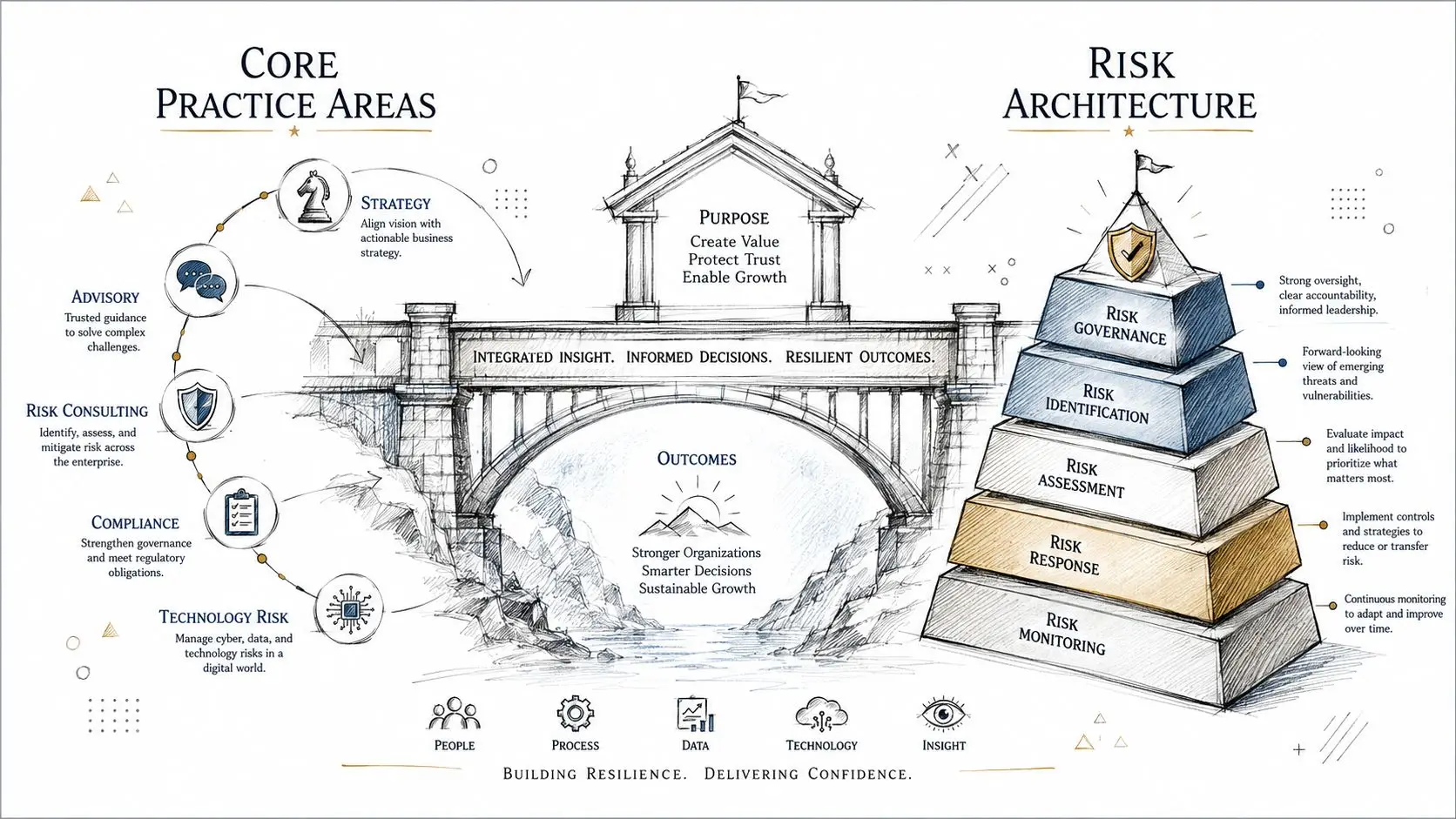
A serious international commercial lawyer works with three control levers, contracts, compliance, and dispute architecture. Each one protects a different business asset. Together, they protect continuity.
Contracts control performance risk
Cross-border contracts are not just about price and scope. They decide which law governs, which forum hears the dispute, and whether arbitration can contain the fight. Clauses that specify governing law, exclusive forum, or arbitration reduce uncertainty about where a claim will be heard and how an award can be enforced (Daeryun Law on international commercial lawyers).
That matters because cross-border parties often default into parallel proceedings. One side sues in one country, the other side responds elsewhere, and assets get tied up while counsel argues about venue. The better architecture narrows that risk before the dispute starts.
Compliance controls deal continuity
On the transaction side, the lawyer must map sanctions, export controls, customs, anti-bribery, and product-compliance regimes together, because one deal can trigger UN, EU, U.S., and U.K. restrictions at the same time (Baker McKenzie). That is not a theoretical concern. Screening failures, labeling defects, licensing gaps, and import or export classification errors can stop shipments or expose the company to enforcement.
Translation quality also sits inside the risk map. If a contract, warranty schedule, or regulatory filing is mistranslated, the legal meaning can shift. For teams dealing with multilingual documentation, resources like avoid costly translation errors are useful because they keep the focus on legal accuracy, not literal word matching.
Litigation strategy preserves leverage
Commercial litigation in this field is rarely about one claim. It often tracks supply interruptions, payment failures, enforcement issues, and reputational pressure together. The lawyer’s job is to decide which issue creates an advantage and which issue creates noise.
That is why the lawyer should not be chosen only for courtroom skill. The better choice can draft, negotiate, and litigate with the same commercial discipline. In high-stakes work, that saves time, and it preserves continuity.
A good cross-border file starts with the endgame. Counsel should know where an award, injunction, or settlement can actually be enforced before the first letter goes out.
A practical hiring benchmark helps here. One UK posting asks for at least 5 years’ PQE, while a Baker McKenzie international commercial and trade role requires at least 6 years’ relevant post-qualification experience and strong drafting skills (Indeed UK). That is consistent with the level of judgment the work demands. A junior generalist usually cannot coordinate these moving parts safely.
For businesses that need Israeli representation alongside international coordination, RNC Group is one option that handles international commercial matters, including litigation, commercial agreements, and cross-border representation in Israel and abroad, while also connecting clients through the ADVOC network.
Selection Criteria for Multinational Counsel
Hiring counsel for cross-border work should feel like selecting a risk officer, not a document editor. The lawyer must handle law, language, and timing together. If any one of those fails, the business feels it immediately.
What to test before engagement
Start with the lawyer’s jurisdictional discipline. Ask how they prevent parallel proceedings, how they identify the best forum, and how they structure contract clauses for enforcement. Then test whether they can explain those answers in plain business terms.
Next, probe crisis readiness. A strong international commercial lawyer should be able to describe how they would react if a shipment is blocked, a counterparty refuses performance, or a bank freezes an account. If the answer stays abstract, the candidate probably has not handled enough urgent cross-border work.
Multilingual and intercultural capability also matters. One vacancy required fluent English, with Arabic as an advantage and French or Chinese as a plus, while also emphasizing the ability to manage complex legal issues across multiple jurisdictions (beBee). That reflects reality. Counsel often works with parties who negotiate in different languages and interpret risk differently.
Core Competency Checklist
| Competency Area | Local Specialist | International Commercial Lawyer |
|---|---|---|
| Governing law and forum strategy | Handles one system well | Coordinates multiple systems and enforcement paths |
| Multilingual documentation | Often depends on translators | Reviews legal meaning across languages and markets |
| Crisis response | Reacts after escalation | Builds the response plan before the dispute hardens |
| Regulatory mapping | Focuses on local rules | Tracks sanctions, export, customs, and anti-bribery overlap |
| Cross-border negotiation | Limited by domestic context | Manages legal, commercial, and cultural variables |
One useful check is reputation management discipline. A lawyer who understands ethical SEO for lawyers usually understands how public positioning, search visibility, and dispute messaging interact. That matters because commercial crises rarely stay confidential for long.
Interview question: “Walk through the last time you handled a matter with several jurisdictions, multiple counterparties, and a time-sensitive commercial deadline.”
Strong counsel answers with process, not drama.
The best candidate also knows how to coordinate project-based support. A role may demand drafting, negotiation, and regulator-facing work in the same week. If the firm cannot support that tempo, the client will absorb the delay.
Navigating Bank Restrictions and Commercial Crises
A bank restriction can damage a trading company faster than a lawsuit. Payments stall, suppliers hesitate, and counterparties begin to ask whether the business is solvent. For a foreign-owned company in Israel, the commercial fallout often spreads beyond the local account into the supply chain, because vendors do not wait for the internal explanation to finish.
A crisis response that restores movement
Consider a distributor whose Israeli account is restricted after returned checks and compliance concerns. The company still has inventory in transit, foreign suppliers expecting settlement, and a local customer base waiting for delivery. If counsel treats this as a single banking issue, the response will be too narrow.
The strategic path starts with a fact audit, account status, transaction history, counterparty exposure, and the legal reason for the restriction. Then counsel prepares focused correspondence, not emotional correspondence. The goal is to show the bank, and if needed the regulator, that the client understands the problem, has corrected it, and can operate without repeating it.
That is where legal correspondence becomes operational. A clear demand letter, a clean evidentiary pack, and a realistic payment or compliance plan often matter more than aggressive language. For insurance and exposure planning alongside that response, professional liability insurance tips 2026 can help decision-makers think through the surrounding risk.
What does not work
Escalation by outrage usually backfires. So does sending a scattered file with missing translations, unsigned documents, and no chronology. Banks and counterparties read disorganization as risk.
The better response is disciplined and fast. First, identify the operational choke point. Then, isolate the legal issue. Finally, rebuild trust with the smallest set of facts needed to reopen the flow of funds or goods.
In commercial crises, the first win is not a court judgment. It is restoring enough confidence to keep the business moving.
This is also where multilingual coordination matters. If documents move across Israeli, English, and other legal systems, translation errors can change the story. A lawyer who controls the correspondence controls the narrative, and usually, the settlement horizon.
Jurisdictional Strategy and Choice of Law
Choice-of-law clauses are not boilerplate. They are the structure that decides whether a dispute stays contained or becomes expensive and fragmented. If the contract lacks discipline, assets can end up in one country while the merits are argued in another.
Build the dispute map before signing
A sensible contract should answer three questions early. Which law governs. Which forum decides. How can any decision be enforced. Those answers matter because contract parties can otherwise face fragmented proceedings in multiple jurisdictions, with one court hearing part of the case and another court hearing the rest (Daeryun Law).
That same logic applies when a deal spans assets, performance obligations, and counterparties across several countries. The lawyer should not just choose a forum. The lawyer should choose the pathway that reduces procedural drift and enforcement risk. A contract without that design is more likely to create an advantage for the wrong side.
Translation and local network support
Multilingual documentation becomes critical when the parties negotiate in one language and litigate in another. A clause that sounds clear in English may carry a different force once translated into a filing, a witness statement, or a local notice. That is why precise translation is part of the legal strategy, not an admin function.
Cross-border execution also depends on trusted local partners. RNC Group, as Israel’s representative in the global ADVOC network, connects clients to legal partners and business contacts in more than 73 countries. That kind of network matters when counsel must coordinate timing, evidence, and enforcement across borders.
Practical rule: the best forum is the one that can enforce the result, not just hear the argument.
The same point appears in arbitration and court strategy. Legal systems differ on how they treat awards, interim relief, and challenge grounds, so the lawyer has to think past the hearing date. The enforceable outcome is the primary objective.
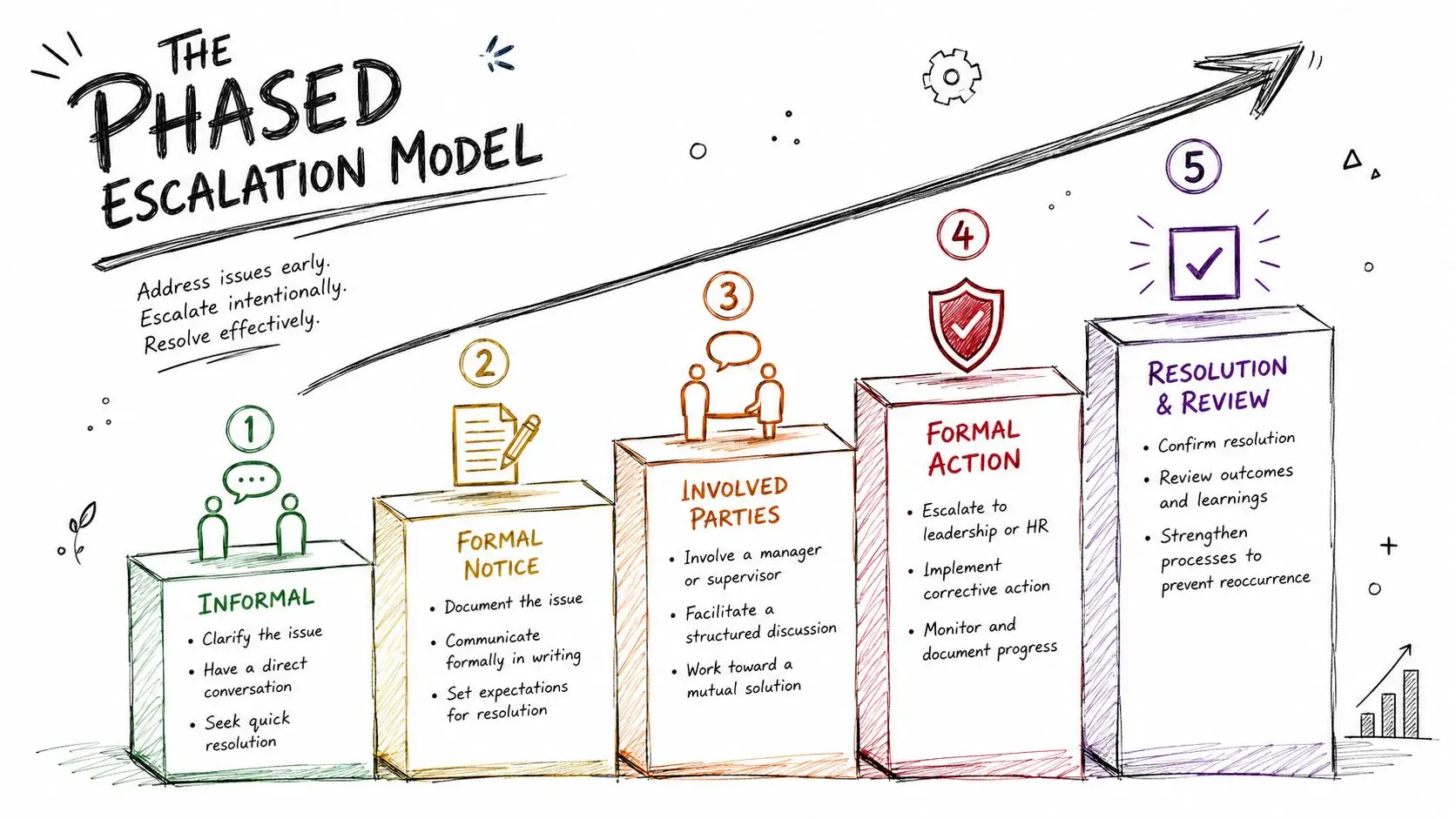
The Phased Escalation Model
Courts are not the first move in a serious cross-border dispute. They are the third or fourth move, after analysis, correspondence, and strategic positioning. If counsel rushes to litigation, the client often pays more to reach the same result.
Use pressure in sequence
The phased model works because it separates posture from panic. First comes evidence gathering and legal analysis. Then comes multilingual demand correspondence, drafted to preserve rights and create settlement pressure. Only after that should counsel move to injunctions, arbitration, or complex commercial litigation.
That sequence matters because many counterparties respond once the legal facts are framed cleanly and credibly. Others need the added pressure of formal proceedings. Either way, the lawyer should escalate in a way that preserves options instead of burning them.
Media is a tool, not a destination
Publicity can change behavior, but it can also damage bargaining power. The better approach is controlled. Use courts when they move money, preserve evidence, or stop a harmful act. Use media only when it supports a defined commercial objective and the client accepts the reputational cost.
This model also helps prevent repeat risk. If the dispute arose from weak process, the remedy should fix the process, not just the symptom. That is how an international commercial lawyer becomes a risk architect rather than a one-off litigator.
Strategic Next Steps and Liability Disclaimer
The first move in any cross-border exposure is to build a single working file that identifies the jurisdictions involved, the contracts that control the relationship, the regulators with a direct interest, and the payment channels that can be used or blocked. Then instruct counsel who can coordinate legal, commercial, and cultural variables across those systems without slowing the response.
If the issue involves Israel, the practical path is to use RNC Group for bespoke analysis, multilingual correspondence, and cross-border dispute coordination before the problem hardens into litigation. That approach is designed to reduce avoidable errors and keep the business positioned for enforcement, settlement, or continued performance.
This article provides general information only and does not create an attorney-client relationship or legal advice for any specific matter. Businesses should obtain advice specific to their facts, governing law, and transaction documents before relying on any point discussed here. The right response depends on the pressure points in the deal, not on a template.
An international commercial lawyer is not just a contract drafter. In practice, the role is to act as a cross-border risk architect who can align legal exposure with commercial reality and local decision-making under pressure. That is the difference between preserving options and discovering too late that the documents, the forum, and the payment flow all point in the wrong direction.
Legal Disclaimer: The information in this article is for general informational purposes only and does not constitute legal advice. Legal matters can be complex, and you should not rely on this information as a substitute for consulting with a qualified attorney regarding your specific situation.