
Thinking about buying a home in Israel? The price on the listing is merely the starting point. For prudent budgeting, corporate and business clients should anticipate an additional 8% to 12% on top of the purchase price to cover all associated transaction costs. This checklist is designed to provide clarity on these critical, often overlooked, expenses.
For any entity purchasing from abroad, a firm grasp of these additional costs—taxes, professional fees, and index-linked adjustments—is fundamental to a sound investment strategy. It is the only way to budget with precision and ensure your commercial objectives are met from the outset.
A Budgeting Checklist for Israeli Real Estate Acquisition
For international corporations and discerning business clients, purchasing property in Israel is a strategic move into a resilient market. To execute this move successfully, one must look beyond the advertised price to calculate the true final cost. A predictable and profitable investment hinges on a complete financial picture, one that meticulously accounts for every line item in the transaction.

The expenses involved in an Israeli property deal fall into several key categories. These are not minor details; they are substantial costs that can significantly impact financial projections if not anticipated. Part of this preparation means staying abreast of current housing market trends and understanding their effect on lending and overall costs.
1. Purchase Tax (Mas Rechisha)
This is the largest single cost beyond the property price itself. Mas Rechisha is a progressive tax paid by the buyer, with rates that escalate based on the property’s value. For foreign residents and investors, the rates typically begin at 8% and rise to 10% for higher value brackets. This tax is due within 60 days of signing the contract, making it a significant and immediate cash flow consideration.

2. Broker Fees
In Israel, the standard commission for a real estate broker is 2% of the purchase price, plus Value Added Tax (VAT). This fee compensates the broker for sourcing the property, arranging viewings, and conducting initial price negotiations. For corporate clients seeking specific commercial properties or off-market opportunities, a skilled broker provides invaluable market intelligence and a crucial advantage at the negotiating table.
3. Legal Fees
Legal fees for a real estate transaction typically range from 0.5% to 1.5% of the property value, plus VAT. For complex corporate acquisitions or international clients, budgeting towards the higher end of this scale is advisable. This fee is not an expense but an investment in risk mitigation.

An experienced Israeli real estate lawyer does far more than review a contract. They are the architect of your legal protection, conducting exhaustive due diligence on the property’s title (Tabu), verifying permits, uncovering hidden liens, and negotiating contractual terms that shield your entity from liability.
4. Building Index (Madad) Linkage for New Apartments
When purchasing a new property directly from a developer, a unique cost factor arises: the Construction Inputs Index (Madad Tashumot HaBniya). Developers link the outstanding balance of the purchase price to this index, which tracks the fluctuating costs of building materials and labor.
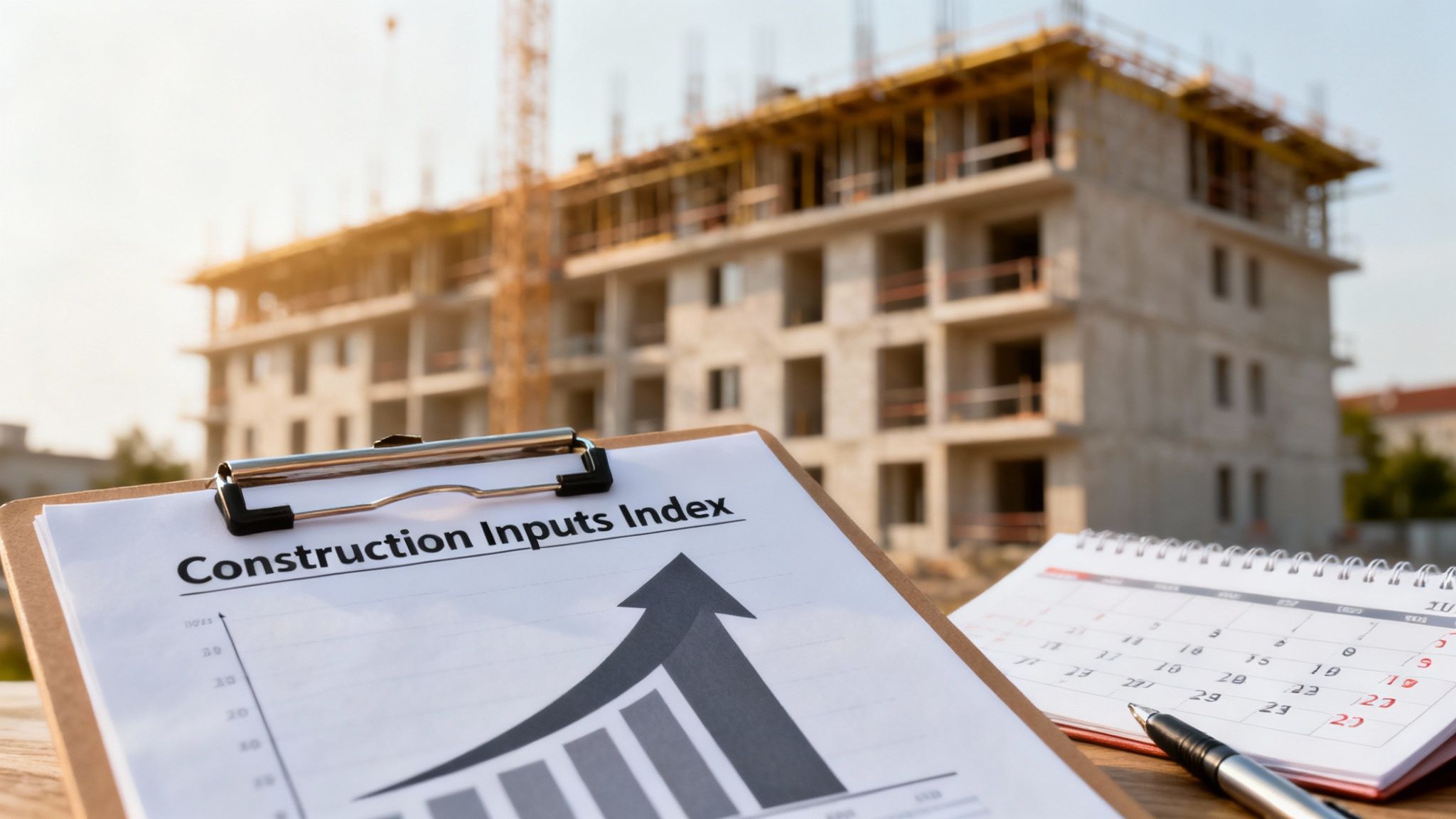
This means that as construction costs rise during the building period, so does your final payment obligation. Over a multi-year construction timeline, this can add several percentage points to the agreed-upon price. This variable cost presents a significant budgeting challenge, particularly for corporate entities that require financial certainty. Expert legal counsel can negotiate a cap on this index linkage or other protective measures to mitigate this risk.
Conclusion: Strategic Budgeting for a Successful Acquisition
The additional costs of buying a home in Israel are significant, but they are entirely predictable and manageable with the right professional guidance. Financial surprises are not a feature of the market; they are a symptom of inadequate preparation. With strategic planning and sophisticated legal counsel, these complexities become a clear path to a successful acquisition.
The Israeli real estate market offers compelling opportunities for discerning international investors. However, navigating its financial and legal intricacies requires a partner with deep local expertise and a strategic, global perspective. To transform your investment goals into reality with confidence and clarity, we invite you to schedule a consultation with our team.
Navigating market shifts is also critical. For context on historical trends, see the Israeli real estate price history on Global Property Guide. For broader insights into financing, this complete guide to real estate financing options is a valuable resource, and for recent market analysis, explore Israel’s shifting real estate market on SemerenkoGroup.com.
At the RNC Group, our expertise in cross-border real estate and commercial law turns financial question marks into a clear, actionable plan.
Contact us to build your investment on a foundation of certainty and legal precision.
This article does not constitute legal advice and is not a substitute for consulting with a qualified attorney. Do not rely on the contents of this article for taking or refraining from taking any action.