
Does a 2026 dispute plan in Israel still assume that legal strength comes from pleadings alone? In complex cross-border matters, that assumption can leave a company exposed before the first filing is even drafted. Commercial litigation support now sits between evidence, procedure, language, and enforcement, and the gap between those layers often decides whether a dispute stays contained or expands.
For non-Israeli corporates, the practical issue is not whether a claim exists. It is whether the claim can be supported, translated, preserved, and escalated in a way that fits Israeli procedure and the counterpart’s asset footprint. That is where disciplined support work matters, especially when contracts, witnesses, and data live across borders.
Introduction to Commercial Litigation Support
A commercial dispute in Israel rarely turns on a single document. It turns on how the record is assembled, who preserves it, how quickly the facts are turned into usable form, and whether the team can present those facts in both Hebrew and English without distortion. Commercial litigation support sits in that chain of work, and in practice it often shapes whether a case stays controlled or starts drifting.
The market reflects that shift. In a litigation trends survey, 84.47% of firms said they outsource court reporting, while 53.98% use outside translation support, 47.79% rely on record retrieval, 39.37% use transcription, and 35.06% bring in trial graphics and exhibits (survey data). That mix shows how broad the operational stack has become in real disputes, especially where time pressure and multilingual records pull the case in several directions at once.
For Israeli and non-Israeli businesses alike, the difficult questions usually surface early. Which evidence belongs in the case file, which witness statements are usable, and which issues justify escalation rather than settlement? Those decisions require support work that is structured, bilingual, and proportionate to the dispute.
A provider may handle document review quickly and still miss a harder issue, such as how a Hebrew contract term will read in English evidence, or how a witness file will be received if assets and decision-makers sit in different jurisdictions. A practical checklist helps. It should test language capability, preservation discipline, turn-around speed, familiarity with Israeli procedure, and the provider’s ability to work under confidentiality and privilege constraints.
A short case example shows the point. In one anonymized cross-border contract dispute, a corporate team had the core documents but no reliable translation workflow, so the legal theory kept shifting as the record was re-read by different reviewers. In another matter, the documents were preserved, but the provider could not retrieve older correspondence fast enough from dispersed systems, which narrowed the team’s choices at a critical stage. In both matters, the weak point was not the existence of evidence, it was the quality of the support structure around it.
Practical rule: If the record cannot survive scrutiny in court, it should not drive strategy in boardrooms.
Understanding Key Litigation Support Services

What kind of support changes the result in a commercial dispute? The answer is rarely a single service. It is the combination of case assessment, preservation, translation, retrieval, and presentation, each handled in a way that fits the risk profile of the matter.
Case assessment tests the contract, the facts, and the business goal before the team spends heavily on production or expert work. Evidence preservation keeps the record defensible before opposing counsel starts challenging spoliation, gaps, or late production. In Israeli matters, that early discipline matters because mixed-language records, foreign counterparties, and parallel enforcement questions can all affect what should be preserved first.
The work that changes outcomes
In cross-border disputes, multilingual document translation matters because a clause that looks clear in English can read differently in Hebrew, or the other way around. Record retrieval matters because even a strong contract theory fails if the emails, invoices, or board materials never reach counsel in time. Court reporting, transcription, and trial graphics matter because hearings turn on clarity, not volume.
The practical load on outside providers is easy to see in survey data, which shows how often firms rely on external help for core support functions. For multinational disputes, that pattern matches what in-house teams already know, they may have legal judgment, but they often lack the bandwidth to run every support task at litigation speed.
Commercial support also includes the work clients underestimate. That includes forensic accounting, document chronology work, and coordination around international enforcement or bank account restrictions. These functions do not look glamorous, but they shape strategic advantage, timing, and settlement pressure.
A clean factual record beats a polished theory when the other side challenges every assumption.
Where internal teams usually hit capacity limits
Internal legal teams often do well on contract interpretation and business context. They run into limits when the dispute requires translation, data collection, and court-ready organization across several jurisdictions at the same time. A support model should match the size and complexity of the case, not just the budget line.
For Israeli matters, that distinction matters even more because many cases involve mixed-language documents, foreign counterparties, and enforcement questions. A provider that can organize the file, preserve ESI, and prepare usable exhibits creates real litigation capacity. One that only processes documents creates delay.
Phased Engagement and Escalation Strategies
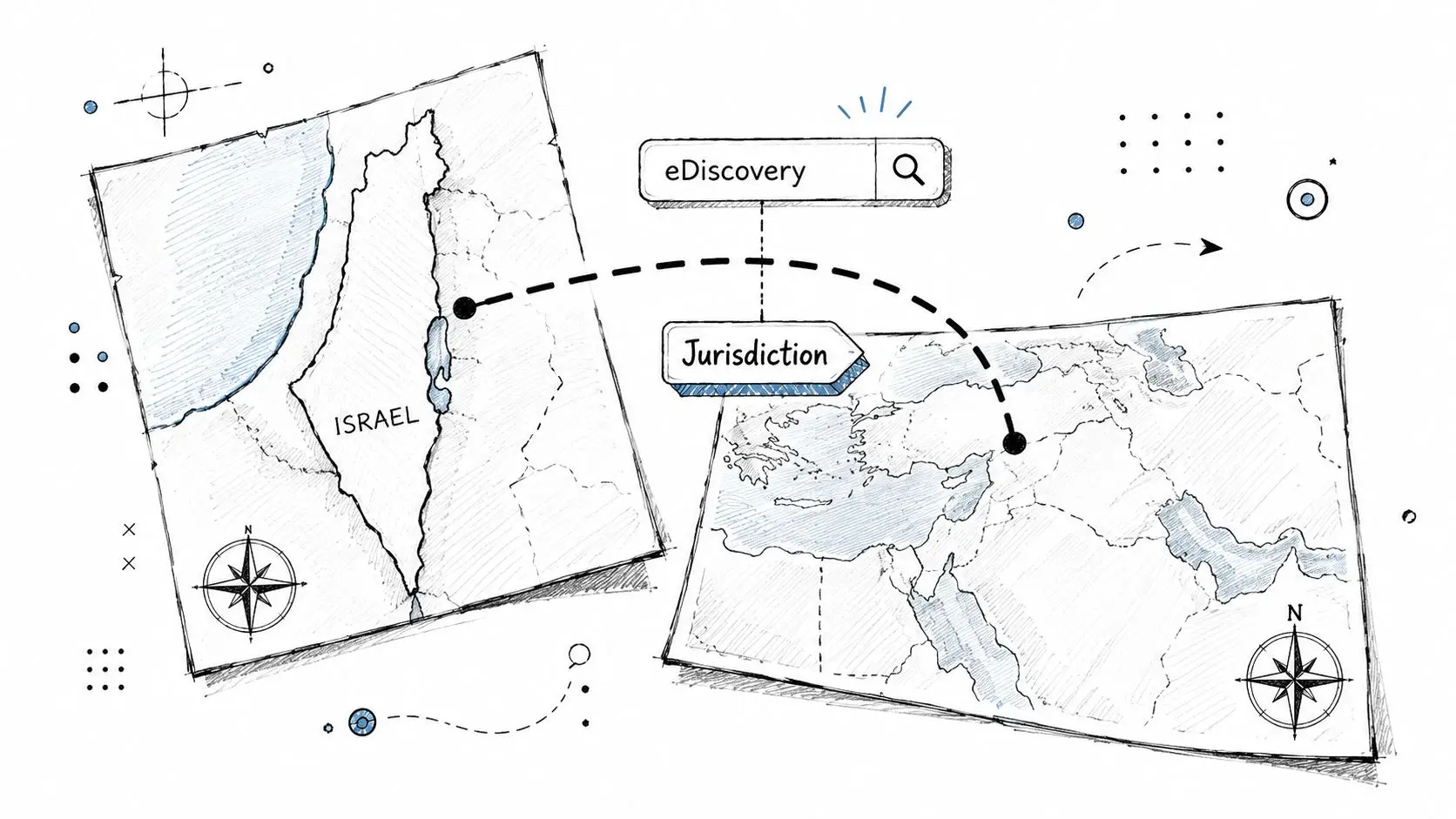
Early triage works best when escalation has gates. If every dispute gets treated like a full-scale lawsuit, cost rises before evidence does. If every matter gets under-supported, the client loses their bargaining power before settlement talks even start.
Phase 1, test the claim
The first phase should focus on contract review, issue spotting, and targeted evidence collection. The question is simple, what facts already support the claim, what facts threaten it, and what gaps still need to be filled before anyone spends heavily on production or expert work.
Industry guidance still leaves a real gap here. Existing guidance rarely answers what evidence, witnesses, or contract points justify escalation versus settlement, which is why many teams jump too quickly or wait too long (early triage gap). That gap is especially dangerous in cross-border disputes, where procedural timing can compress faster than internal approval cycles.
Phase 2, deepen the record
The second phase adds multilingual discovery, forensic accounting, and document-to-issue mapping. In this context, proportionality matters, because a dispute may justify focused expansion, but not a full warehouse-style review of every endpoint and archive.
Phase 3, commit or settle
The third phase starts when the record is strong enough to justify formal proceedings, injunction work, or serious settlement pressure. At that point, the question is no longer whether there is a dispute. It is whether the evidence and economics justify the next step.
Checklist for escalation triggers:
- Document strength: The key contract clauses, emails, and business records align.
- Witness value: The witness list supports the theory without speculation.
- Forum fit: Israeli procedure or foreign enforcement makes escalation realistic.
- Cost control: The next phase still matches the value of the claim.
Navigating Cross Border Jurisdiction Challenges
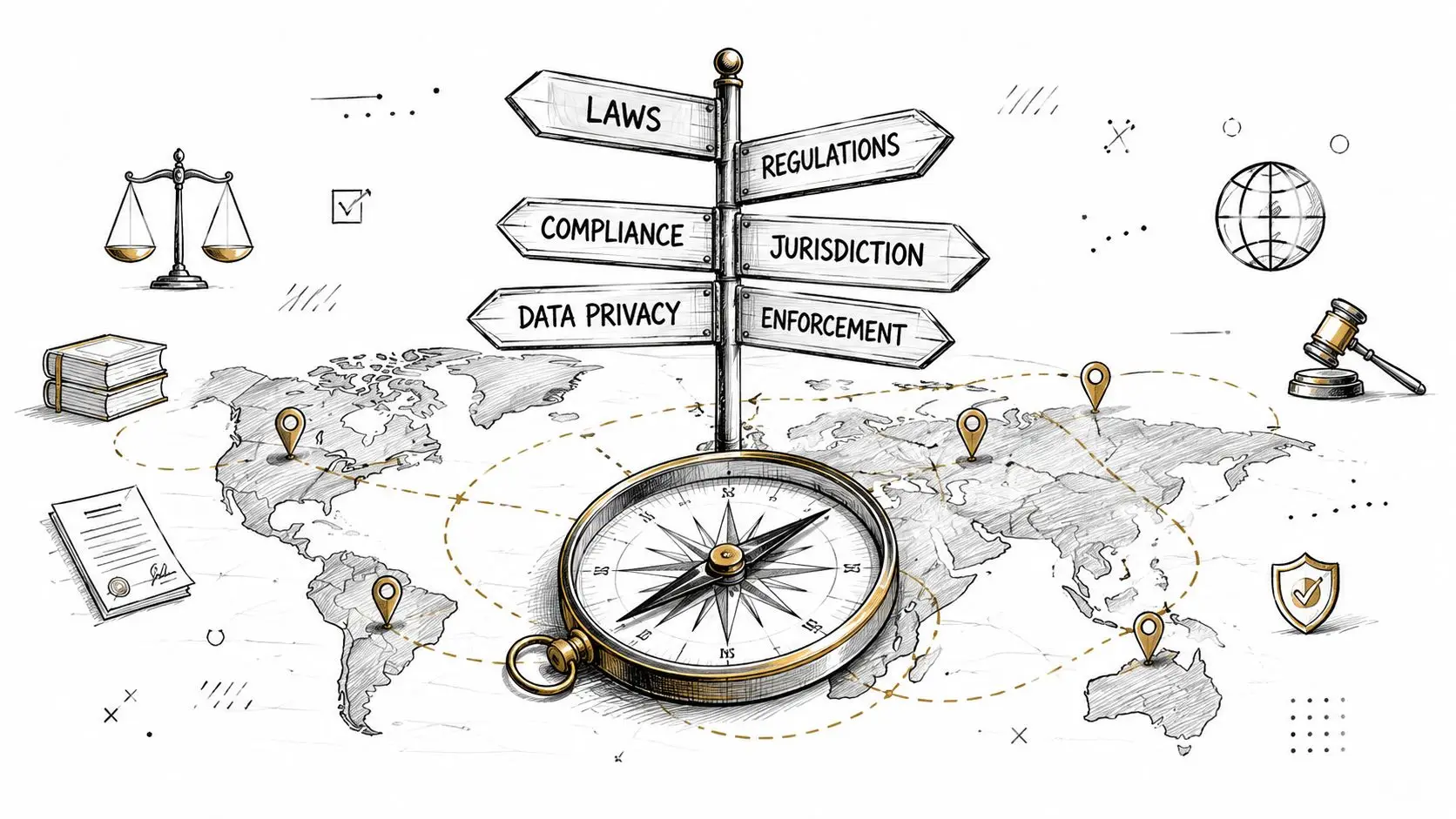
Cross-border disputes often fail at the seams. A foreign contract may be enforceable in theory, but service, evidence handling, and local recognition rules still decide the practical path. Israeli counsel has to think about jurisdiction, foreign asset recovery, and whether the evidence will still be usable when the case reaches the hearing stage.
Defensible eDiscovery needs a chain-of-custody-to-production workflow across all data sources, with proportionality filtering before processing and review (workflow guidance). That matters because data may sit on servers, laptops, tablets, USB media, backup tapes, and cloud accounts. The provider has to preserve the record before it starts shaping it.
What jurisdiction planning should cover
- Service of process: Confirm how notice reaches the counterparty and where defects can be attacked.
- Evidence location: Map where the documents and devices sit.
- Enforcement path: Identify where assets or bank pressure may matter.
- Language risk: Separate translation needs from substantive legal issues.
- Forum readiness: Check whether the forum can handle the dispute without avoidable delay.
One useful reference point for foreign corporate structuring is verify the EU Inc. status, because entity design often affects where disputes land and how they get defended. That doesn’t solve jurisdiction, but it can sharpen the first questions counsel asks.
Provider Selection Criteria and Checklist
The right provider should fit the case’s economics, not just its volume. That idea matters because many disputes sit in a middle zone where full-service litigation is too much, yet no support at all is too little (scoped support models). The strongest providers can scale up and down without losing control of the record.
Selection checklist
| Criterion | Why It Matters |
|---|---|
| Israeli commercial contract experience | The provider should understand the clauses, remedies, and evidence patterns that matter in local disputes. |
| Phased staffing capacity | The team should expand only when the record justifies it. |
| Multilingual capability | Hebrew-English work needs precision, not rough translation. |
| ESI handling discipline | Preservation and review need defensible workflows. |
| Forensic accounting access | Financial disputes often turn on tracing, not rhetoric. |
| Cross-border enforcement familiarity | The record should support recovery, not only liability. |
Red flags that usually matter
A provider that starts with oversized staffing often burns budget before triage ends. A provider that can’t explain its review protocol usually creates later admissibility problems. And a provider that treats translation as a clerical task can damage the legal meaning of the file.
RNC Group is one option for matters that combine commercial contracts, cross-border dispute work, and multilingual correspondence in Israel. The right comparison point is not branding. It is whether the team can preserve evidence, coordinate escalation, and align spend with the economic level the case supports.
Anonymized Case Highlights in Commercial Contracts
A licensing dispute involving a foreign distributor looked straightforward at the outset. The contract had an apparent payment breach, and the client wanted fast escalation. Early forensic accounting changed the picture, because it exposed offsets and hidden liability exposure that were not obvious in the first review.
That mattered because evidence-of-use mapping works best when each claim element gets tied to verifiable proof, not assumption (evidence mapping model). In this matter, the support team used that discipline to separate strong allegations from weak ones. The result was a cleaner settlement position, because the client understood the actual critical advantages before the dispute hardened.
A second matter involved a franchise agreement breach across two jurisdictions. The record arrived in mixed-language form, with correspondence, notices, and operational files spread across multiple systems. The support team preserved the documents, translated the key notices, and drafted a tighter factual chronology for counsel.
The injunctive strategy succeeded because the file stayed coherent. The lesson was not that more material helped. It was that the right support services, used in the right order, gave the court a clear story and gave counsel a stronger argument for immediate relief.
Good litigation support doesn’t create facts. It makes the real facts usable fast enough to matter.
Estimated Timelines and Cost Drivers
Commercial litigation support moves at different speeds depending on the phase. Early case assessment can finish quickly if the record is organized, while eDiscovery review and multilingual production take longer because each document needs preservation, filtering, and legal judgment. Parallel work can shorten the path, but only if the provider keeps the workflow disciplined.
Budget pressure usually rises with ESI volume, translation load, expert involvement, and enforcement steps. Historical litigation cost growth shows why scoping matters. The U.S. Courts’ Litigation Cost Survey of Major Companies found average outside litigation costs per respondent rose from nearly $66 million in 2000 to nearly $115 million in 2008, a 73% increase (survey data). That trend explains why unchecked support spend can become a strategic problem, not just an accounting one.
For planning purposes, the cleanest approach is phased budgeting. Approve the first tranche for assessment, release the next tranche only when the record justifies it, and tie every expansion to a specific litigation decision. A useful external lens on budget discipline in related corporate settings is the Future of retail real estate, because capital allocation problems often mirror litigation scoping problems, even when the asset class is different.

Frequently Asked Questions
Can a foreign judgment be enforced through an Israeli dispute plan?
Yes, but the plan has to account for service, assets, and the local procedural route. The support team should identify whether the evidence package and translation set are ready before enforcement starts.
How should a company secure evidence under a short deadline?
Preserve first, sort second. The record should stay intact while counsel decides what belongs in the production set and what needs translation or chronology work.
What if a bank account restriction sits inside the dispute?
Treat the banking issue as part of the wider recovery strategy, not as a separate annoyance. The support file should show the contractual context, payment trail, and any enforcement-related pressure points.
Does multilingual notice matter in Israeli matters?
Yes. Notices, translations, and proof of service can shape whether the other side had fair notice and whether the file stays usable later.
A CTA for RNC Group. If a commercial dispute touches Israel, the safer path is to structure the record early, test escalation before costs grow, and use support work that fits the case’s economics. To avoid costly mistakes and protect your position before the dispute hardens, contact RNC Group’s contact team now.
Disclaimer: This article provides general information only and doesn’t constitute legal advice. Parties should obtain jurisdiction-specific advice before acting on any dispute, enforcement, translation, or evidence matter.