
You have poured everything into building a business. It has a distinct identity and a loyal customer base. Then, a competitor appears. Their look, feel, and name are too close for comfort. They create confusion in the market. This is where the tort of passing off in Israel becomes your most powerful legal shield. It protects you even if you do not have a registered trademark.
This vital legal principle is known in Hebrew as Gnevat Ayin. This translates to “theft of the eye.” It is your primary defense against imitators. They are trying to ride on the coattails of your hard-earned success. Protecting your reputation when you lack a registered trademark is essential. This guide explains how.
Understanding Passing Off: Gnevat Ayin in Israel

At its heart, the law of passing off protects a business’s goodwill and reputation. Goodwill is the intangible asset that makes customers choose you. It is the public recognition and trust you have built. You built it through your quality, service, and marketing efforts.
The law of passing off in Israel stops a rival from misrepresenting their products or services. They cannot pretend their goods are yours or are connected to you. Importantly, this misrepresentation can take countless forms. Therefore, Israeli law provides a robust framework to shut down this deceptive behavior.
Critically, a claim for passing off in Israel is built on your established reputation in the marketplace. This is different from trademark infringement, which requires a registered mark. As a result, it is an indispensable tool for new businesses. It is also vital for any company that has not yet completed the formal Company Registration Israel and trademark process.
Passing Off vs. Trademark Infringement
Understanding the difference between passing off and trademark infringement is crucial. While both protect your brand, they have different legal foundations. They also require different types of proof for IP litigation.
| Legal Basis | Passing Off (Gnevat Ayin) | Trademark Infringement |
|---|---|---|
| Foundation | Protects the goodwill and reputation of an unregistered brand. | Protects the exclusive rights of a registered trademark. |
| Proof Required | You must prove reputation, misrepresentation, and damage. | You must prove the unauthorized use of a mark identical or similar to your registered one. |
| Source of Law | Based on common law, codified in the Commercial Torts Law. | Based on statutory rights under the Trademarks Ordinance. |
This table shows a key point. Passing off is your protection when your brand is known but not yet registered. In contrast, trademark infringement offers a more direct path once your registration is secure.
The “Likelihood of Confusion” Test
The entire case for passing off in Israel hinges on one central question. Does the competitor’s action create a “likelihood of confusion”? A court must determine if an average consumer would likely be misled. They would be misled into thinking a commercial link exists between the two businesses.
To make this decision, the court examines several factors:
- The similarity of the names, logos, or product packaging.
- The overlap in target audiences and marketing channels.
- Any evidence of actual customers being confused.
Protecting your brand identity is a core part of your business strategy. Whether you face a blatant copycat or a subtle attempt to dilute your brand, Israeli law offers a solid framework. Understanding these rights is essential for securing your market position.
The Three Pillars of a Successful Passing Off Claim
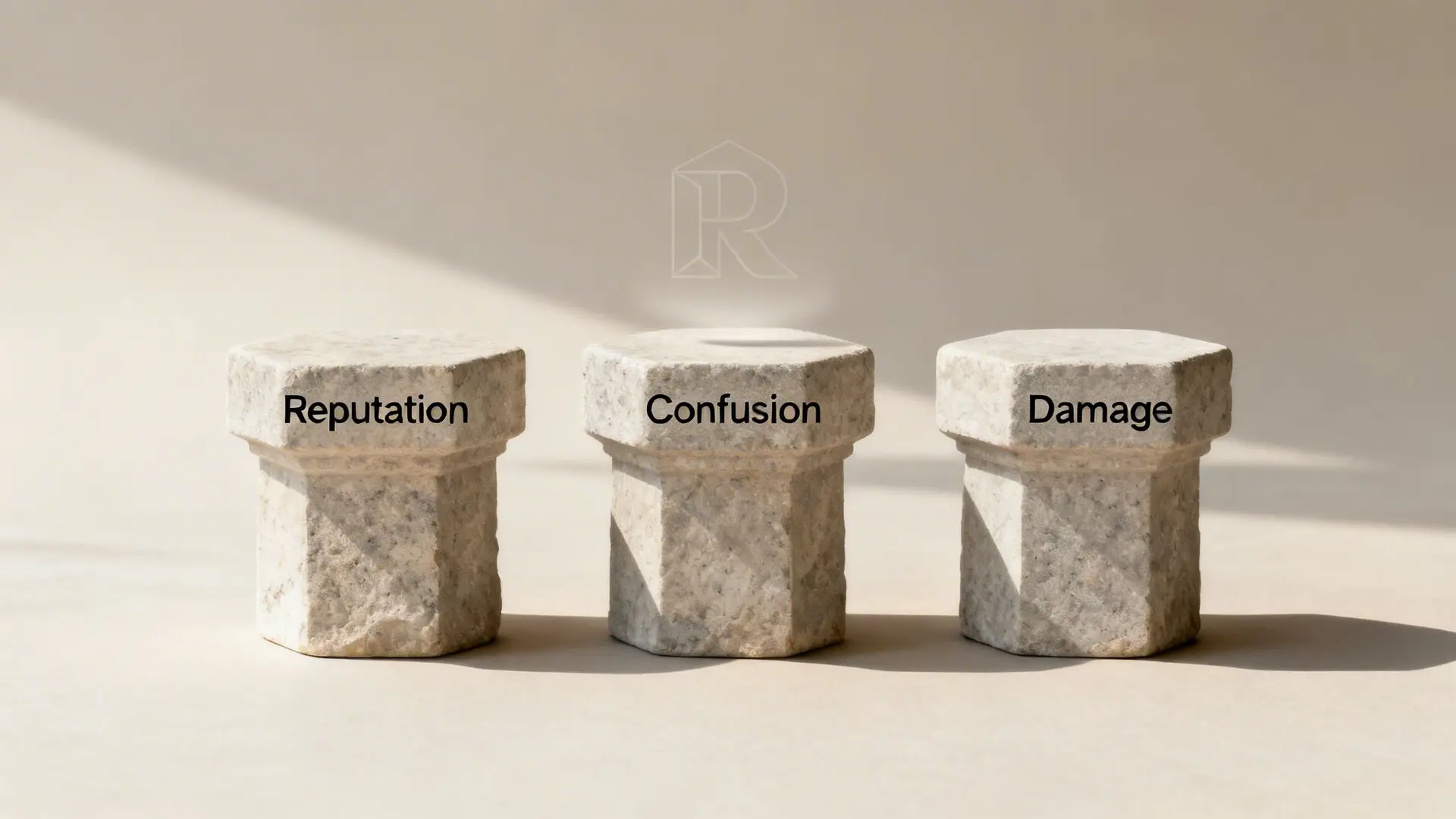
To win a passing off claim in Israel, you cannot just point a finger at a competitor. Israeli courts demand a case built on three essential pillars. Proving each one is non-negotiable. If you get them right, you have a clear path to protecting your brand’s goodwill. This is true even without a registered trademark.
These pillars are a practical roadmap. They show you what evidence to gather. They also show how to construct the story of why your brand deserves protection. Think of it like building a legal fortress. Reputation is your foundation. Misrepresentation forms the walls. And damage is the proof of an attack.
1. Reputation and Goodwill
The first and most fundamental pillar is proving you have an established reputation and goodwill. Before you can claim someone is stealing your brand’s identity, you must first prove you have an identity worth stealing in the public’s mind. Goodwill is that intangible magnet that pulls customers to your business. It is a priceless asset built through time, effort, and investment.
You must show that a segment of the Israeli public associates your name or logo with your goods. This doesn’t mean you need to be a household name. A strong reputation can be established within a specific city or a niche market.
Evidence is everything here. Courts want to see facts, such as:
- Sales Volume and History: Proof of consistent commercial activity.
- Marketing and Advertising Spend: Showing the capital you have invested.
- Media Coverage and Public Mentions: Proof that your brand has a real presence.
- Customer Surveys and Testimonials: Direct evidence from consumers.
Without a demonstrable reputation, your claim collapses. This is why meticulous record-keeping is a critical part of your brand defense.
2. Misrepresentation and Likelihood of Confusion
The second pillar is showing misrepresentation. This is the heart of the IP litigation battle. You must prove that the defendant’s actions are likely to fool the public. The public might think their products are yours or are connected to your business.
The key word is likelihood. You do not always need to show actual confusion. The court’s test is simple: would an ordinary customer probably be misled? This is judged using the “triple test,” which examines:
- The Look and Sound: How similar are the names and logos?
- The Goods and Customers: Do the products and target audiences overlap?
- The Other Circumstances: All other relevant factors are considered.
An effective misrepresentation does not need to be a carbon copy. A similar-sounding name or mimicked packaging can be enough to cross the legal line. This is a common battleground in Commercial Litigation, where brand perception decides the case.
3. Proof of Damage
The final pillar is proving you have suffered, or are likely to suffer, damage to your goodwill. This damage can take several forms. Demonstrating it solidifies your argument for why the court must intervene.
The most obvious damage is a direct loss of sales. Customers might buy the copycat product thinking it’s yours. But the harm often runs much deeper than just lost revenue.
Other types of damage include:
- Erosion of Brand Uniqueness: The copycat’s presence dilutes your brand’s distinctiveness.
- Damage to Reputation: If the infringing product is of inferior quality, it tarnishes your reputation.
- Restriction of Expansion: A similar brand can block your own natural growth.
By establishing these three pillars—Reputation, Misrepresentation, and Damage—you present a powerful case for passing off in Israel. Protecting your brand’s identity is paramount. If you believe your goodwill is being exploited, you must act.
Powerful Remedies in Israeli Passing Off Cases
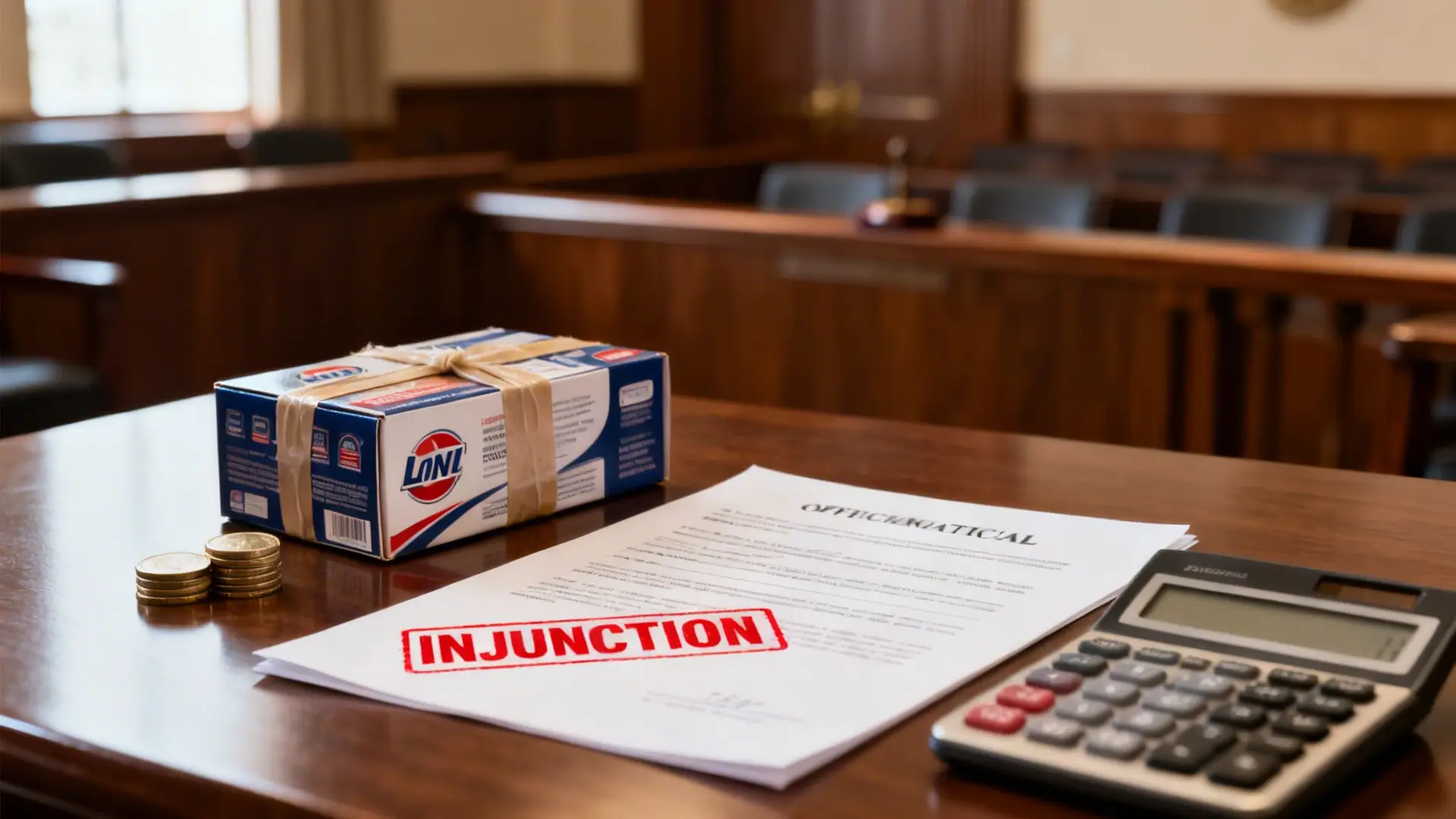
When you win a passing off Israel claim, the court’s response is powerful. Israeli courts deliver remedies designed to do three things. They stop the infringement, compensate you for your losses, and send a clear message. Your brand’s goodwill is not up for grabs.
The first priority is to stop the damage. The court’s primary goal is to act fast if your brand is at risk. For any business facing a copycat, understanding the available remedies is the first step toward reclaiming your ground.
The Injunction: Stopping the Infringement
The most critical and immediate tool is the injunction. It is a court order that forces the infringer to immediately halt any confusing activity. This prevents further damage to your reputation and sales.
Injunctions come in two forms:
- Interim Injunction: This is a temporary order granted early in the case. It freezes all infringing activity while the legal battle continues.
- Permanent Injunction: Once you win the case, the court makes the order final. It permanently bans the defendant from repeating the passing off conduct.
Securing an injunction is a foundational move. It puts an immediate stop to the problem and signals that you will protect your brand.
Financial Justice and Destruction of Goods
With the infringement stopped, the focus shifts to financial compensation. Israeli law gives you two distinct routes to recover money. You must choose one.
Your first choice is to sue for damages. This path compensates you for the actual harm you have suffered. This could include lost profits or money spent correcting the market confusion. The second option is an account of profits. This remedy forces the infringer to hand over all profits they made by illegally using your goodwill.
Finally, the court can issue a destruction order. This is the final blow. The court orders the seizure and physical destruction of all counterfeit products and packaging. This order cleanses the market of infringing goods. It also serves as a stark warning to other potential infringers. Successfully managing these legal battles is crucial, as business disputes can lead to major disruptions, including issues with Restricted Bank Accounts.
Proactive Brand Protection Strategies
While suing an infringer is a potent tool, prevention is better than a cure. The best strategy is to build a brand so strong and distinct that copycats struggle to get close. This is a deliberate, multi-layered defense. It starts long before you see a legal threat. A truly defensible brand is intentionally unique. This distinctiveness is your first shield against passing off in Israel.
Cultivate a Unique Brand Identity
The more unique your brand, the harder it is for a competitor to create confusion. A generic name is an invitation for trouble. A fanciful or arbitrary one is far easier to defend.
When building your brand, focus on these elements:
- Distinctive Name: Pick a memorable name that sounds unique in your market.
- Unique “Get-Up”: Your trade dress should be instantly recognizable as yours.
- Consistent Voice: Your brand’s character can be as proprietary as your logo.
This careful cultivation of uniqueness builds the very reputation that the law of passing off protects. This is why it is so important to protect that reputation from false attacks, which could lead to Defamation Claims.
The Strategic Value of Trademark Registration
A passing off claim can protect you without a formal registration. However, it is the harder road. A registered trademark gives you a clear and more easily enforced legal position. You can simply point to your registration certificate instead of proving your reputation from scratch.
In Israel’s dynamic startup scene, this is critical. The market is crowded. Brand overlap is a real risk. For this reason, formal trademark registration is a critical strategic investment.
A registered trademark acts as a public declaration of your ownership. It serves as a national deterrent. It warns off potential infringers before they begin.
Protecting your unregistered brand requires a proactive and strategic approach. Building a unique identity is your first line of defense. Knowing the legal remedies available, from injunctions to the destruction of fake goods, provides you with the power to act decisively when your reputation is on the line. If you need assistance building a robust brand protection strategy tailored for the Israeli market, Contact Us.
Disclaimer: The information in this article is for general informational purposes only and does not constitute binding legal advice. Reliance on this content is at the reader’s sole responsibility.