
Most boards still treat settlement as the phase that begins after pleadings close. In Israeli commercial litigation, that’s usually the first serious mistake.
For a non-Israeli company, the contest often starts earlier. It starts when the first demand letter lands, when a bank reacts to irregular activity, when a local counterparty tests delay, or when counsel on the other side begins shaping the narrative that later defines “reasonable” settlement. Standard settlement negotiation tactics often fail because they assume a clean distinction between legal merits and business pressure. In Israel, those elements usually move together.
Winning the War Before the First Battle in 2026
Will a commercial dispute touching Israel end in a controlled business resolution, or in a settlement that solves the lawsuit but weakens the enterprise? That question matters more in 2026, not less, because experienced counterparties increasingly treat procedure, timing, and reputational pressure as bargaining tools.

The usual corporate instinct is to separate trial strategy from settlement strategy. That split is dangerous. Approximately 85% of commercial disputes settle before trial, according to legal settlement trend reporting. The practical lesson is simple. Settlement negotiation isn’t a side process. It’s the primary arena in which value gets preserved, transferred, or destroyed.
Why generic advice breaks down in Israeli disputes
Standard negotiation guidance typically suggests opening with high demands, conceding gradually, and maintaining emotional distance. This perspective is insufficient. In Israeli commercial disputes, legal counsel must also consider notice mechanics, document language, enforcement posture, banking friction, and the pace at which local procedural steps can alter commercial bargaining power.
A foreign company can have a strong contract and still lose bargaining control. That happens when management treats settlement as a conversational exercise instead of a managed conflict. It also happens when headquarters assumes that legal rights alone create an advantage. They don’t. An advantage only matters when the other side feels timing pressure, operational risk, or credible exposure.
Core point: In complex disputes, the party that frames the process early often shapes the outcome before any formal mediation begins.
What a controlled approach looks like
A disciplined approach treats every contact as part of a single campaign. The opening letter, the internal valuation model, the first without-prejudice proposal, and the draft settlement document all belong to one strategy.
That strategy usually turns on three questions:
- What must be protected first: cash flow, supply continuity, shareholder optics, regulatory positioning, or precedent risk.
- Who decides: the signatory on paper, the founder behind the scenes, the insurer, the lender, or a foreign parent company.
- What changes behavior: cost, speed, confidentiality, operational disruption, or fear of an imposed outcome.
Advanced settlement negotiation tactics don’t chase agreement at any price. They control the route to agreement. That distinction matters because a fast settlement can still be a strategic loss if it concedes future claims, invites copycat demands, or leaves key terms too vague to enforce.
For non-Israeli companies, the right mindset is neither aggressive nor conciliatory. It is structured. The dispute should be treated as a phased business risk event with legal instruments attached to it.
The Pre-Negotiation Intelligence Dossier
Negotiations usually fail long before the first call. They fail when the client hasn’t fixed authority, when counsel hasn’t mapped the other side’s incentives, or when nobody has built a realistic decision range.
Expert guidance on settlement preparation stresses a phased plan beginning with a pre-negotiation audit, and it warns that unclear client authority and failure to map the opponent’s incentives can produce impasse or a poor deal, as outlined in JAMS guidance on effective settlement negotiations. In practice, that means preparation isn’t paperwork. It is the process of building strategic advantage.
The file that matters before anyone speaks
A serious pre-negotiation dossier should answer five operational questions before any first offer goes out:
| Category | Action Item | Strategic Purpose |
|---|---|---|
| Liability | Audit key facts, documents, and witness reliability | Prevent weak assumptions from contaminating valuation |
| Authority | Fix approval levels and walk-away authority internally | Stop damaging reversals during live bargaining |
| Economics | Define target range and unacceptable outcomes | Keep the negotiation inside a controlled corridor |
| Opponent map | Identify pressure points, motives, and decision-makers | Aim proposals at the real source of movement |
| Process | Decide channel, timing, and document discipline | Avoid improvisation that leaks leverage |
This checklist looks basic. It isn’t. Most failed negotiations collapse on one of these points, not on abstract principle.
Opponent profiling needs commercial depth
A foreign company often profiles the counterparty only as a legal adversary. That misses the point. The counterparty is also a business system with financing needs, internal politics, reporting obligations, and practical constraints.
Useful profiling usually includes:
- Decision hierarchy: Who negotiates, who influences, and who vetoes.
- Commercial fragility: Which disruption hurts most, such as delayed supply, frozen payments, or uncertainty around customers.
- Narrative priorities: Whether the other side needs face-saving language, confidentiality, or a staged payment story for internal use.
- Cross-border asymmetry: Whether the foreign party fears Israeli process more than the Israeli party fears foreign enforcement.
Public filings, correspondence patterns, and transaction history often reveal more than formal statements do. Some teams also use structured account-intelligence tools before negotiations, especially when they need a fast picture of counterpart relationships, market signals, and business context. For that purpose, guides comparing the best software for account research can help legal and commercial teams organize pre-dispute intelligence more efficiently.
A negotiation plan without opponent mapping is only a price list with legal stationery.
Internal alignment is harder than external bargaining
The most expensive surprises often come from inside the client organization. Local management may want closure. Regional leadership may want deterrence. The board may want a settlement that avoids accounting complications. Those aren’t minor differences. They produce contradictory instructions at the exact moment when disciplined concessions matter most.
A proper internal alignment exercise should fix:
- The preferred outcome in concrete terms.
- The acceptable range if conditions change.
- The no-deal point that triggers escalation.
- The issues that can trade for value, such as timing, admission language, release scope, or future business terms.
Where the matter includes regulatory friction, frozen funds, or multi-party commercial stress, a broader crisis lens becomes necessary. In those cases, firms sometimes integrate dispute preparation with adjacent risk planning, including commercial crisis management analysis, because negotiation posture can collapse if the business side and legal side move on separate tracks.
Executing the Phased Negotiation Playbook
Once the dossier is built, execution becomes a sequencing exercise. The best settlement negotiation tactics rarely depend on one brilliant demand. They depend on a chain of controlled moves that shape expectation, gather information, and narrow the zone of acceptable outcomes without surrendering flexibility.
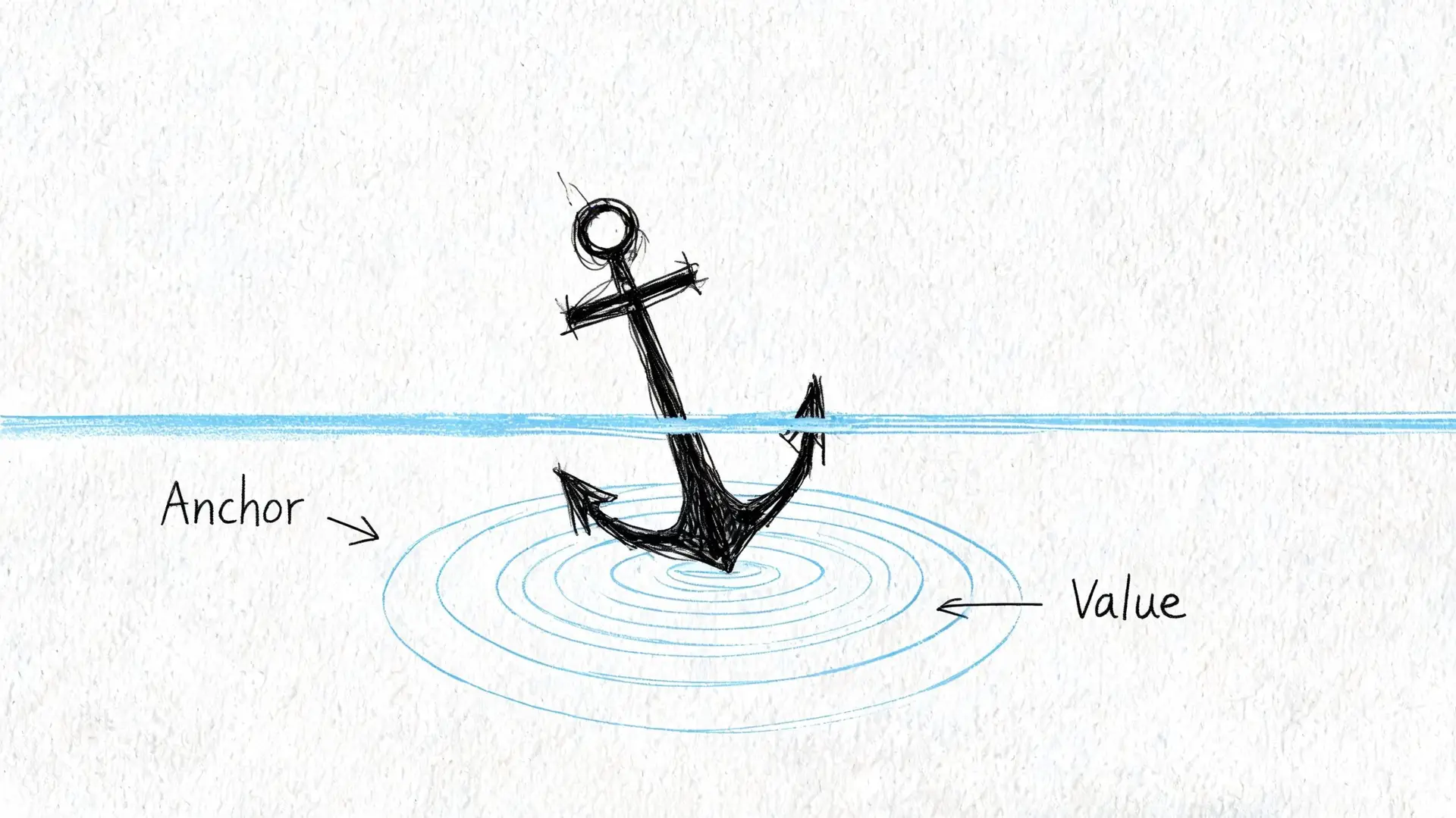
Opening anchors work only when they stay credible
The first serious proposal does more than state a number or position. It tells the other side how the matter will be valued, which issues are linked, and whether the negotiation will be disciplined.
A strong opening anchor should be ambitious, but it must remain connected to a theory the other side can understand. If the anchor feels untethered, it won’t pull the bargaining range. It will merely signal posturing. That is especially risky in counsel-led Israeli disputes, where a counterparty may respond by escalating process instead of engaging on substance.
Useful opening proposals usually share three traits:
- Specific framing: The proposal ties numbers or obligations to identifiable risks, not slogans.
- Issue control: It presents a package structure early, rather than allowing the dispute to collapse into a single-issue fight.
- Room to move: It leaves planned distance for future concessions without signaling weakness.
Concessions must buy something
Poor negotiators concede to keep the conversation alive. Skilled negotiators concede to extract information, reciprocity, or structural advantage.
That means each movement should answer one question: what is being purchased with this concession? Sometimes the answer is speed. Sometimes it is a narrower release. Sometimes it is an admission-free resolution, a payment security mechanism, or improved enforcement language.
Practical rule: Never make a concession that the other side can pocket without changing position, timing, or documentation.
A disciplined concession pattern often looks like this:
- Start with one well-supported proposal.
- Wait for a real response, not a complaint.
- Trade movement for movement.
- Reduce concession size as the discussion narrows.
- Convert oral progress into written terms quickly.
Counsel-led bargaining changes the tempo
Direct business negotiations often rely on rapport. Counsel-led negotiations rely on process discipline. The conversation is slower, but the risks are cleaner if managed properly.
That creates advantages for parties that know how to use caucuses, side calls, and conditional language. A caucus can test a term without public commitment. A side call can reveal whether the other side’s stated objection is real or cosmetic. A conditional proposal can preserve room to maneuver while forcing the other side to prioritize.
For disputes involving document ambiguity, ownership fights, or overlapping contractual duties, package bargaining usually outperforms single-point bargaining. A party can trade payment timing against confidentiality, release language against future cooperation, or mutual non-disparagement against a more efficient payment structure.
Where that package design must align with litigation strategy, multilingual records, and cross-border enforcement concerns, some clients consult specialist teams handling international commercial litigation in Israel. The relevant value isn’t branding. It’s process integration across the legal and commercial tracks.
Manufacturing and Deploying Strategic Leverage
Bargaining power isn’t a mood. It’s a condition the other side can’t ignore.
In Israeli commercial litigation, negotiating power often arises outside the merits. It may come from payment bottlenecks, operational urgency, banking limitations, document exposure, or the credible threat that delay will hand decision-making power to a court, arbitrator, or regulator. The legal claim matters, of course. But timing pressure often determines when a reasonable settlement suddenly becomes possible.
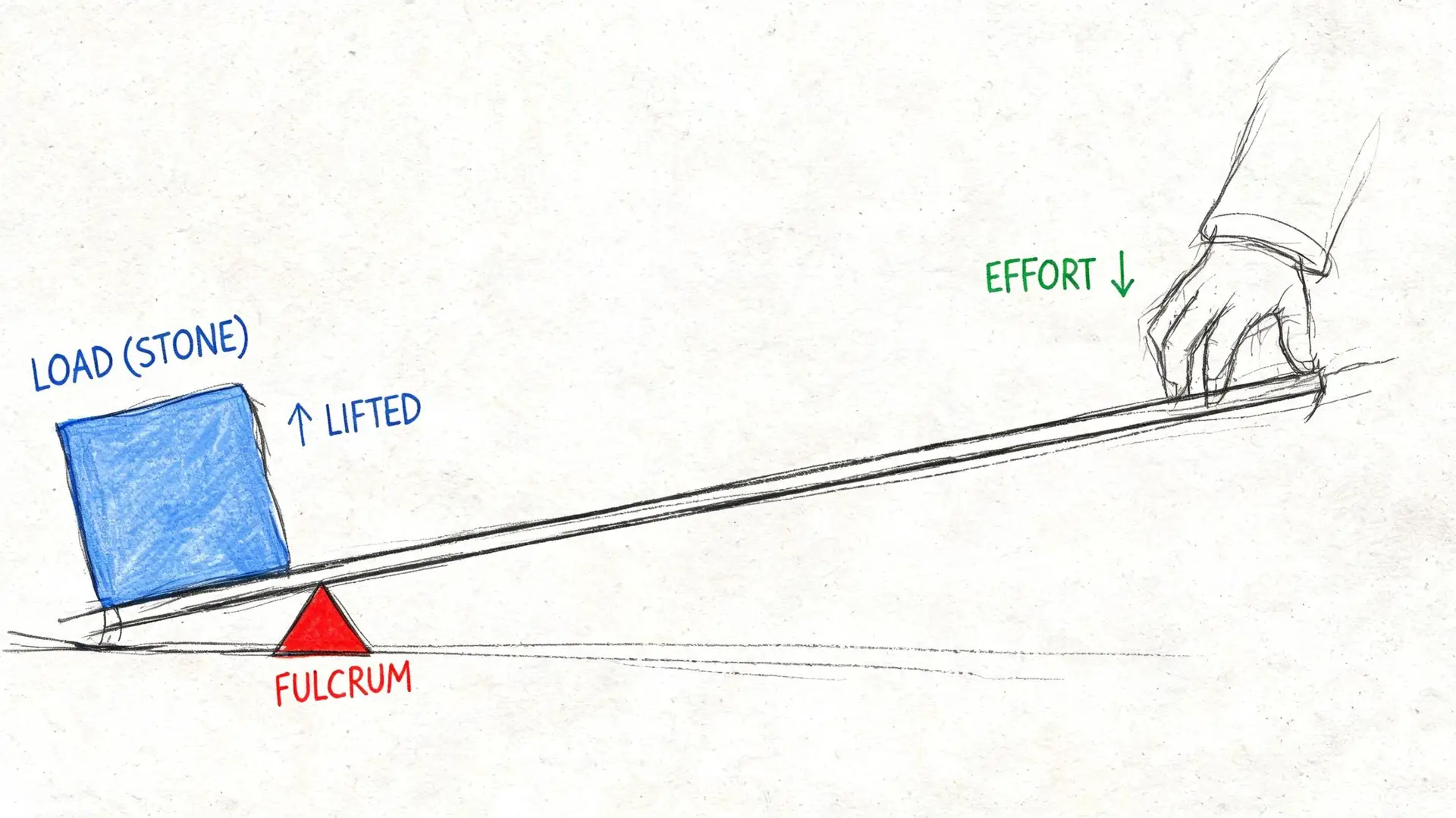
Operational leverage often beats rhetorical pressure
Many counterparties can ignore angry letters. Fewer can ignore disruption to cash movement, supplier continuity, financing optics, or governance reporting.
That is why audits of bargaining strength should identify pressure in three lanes:
| Leverage lane | What counsel examines | Why it matters in settlement |
|---|---|---|
| Operational | Supply disruption, delivery risk, dependency chains | Pressure becomes immediate, not abstract |
| Financial | Payment blockage, collection exposure, funding strain | Delay starts costing the other side in real time |
| Reputational and procedural | Public filings, formal applications, expert involvement | The dispute becomes harder to contain |
Some disputes reveal a strategic advantage through banking friction rather than through pleadings. For example, account restrictions, returned checks, or unusual compliance reactions can transform a commercial disagreement into a time-sensitive settlement event. In those settings, parties often need to understand both the banking issue and the litigation implications together. Guidance on bank account restrictions in Israel due to insufficient funds is relevant because a banking event can alter bargaining power before a merits hearing ever begins.
Deadlines matter when the threat is real
Structured processes work because they create a credible risk of loss of control. Harvard Business School’s discussion of final-offer arbitration makes this point directly. It explains that the process raises settlement rates because the risk of an imposed result drives parties toward agreement, as described in Harvard Business School’s analysis of reasonable settlements. The same source gives a useful example. Aaron Judge and the New York Yankees filed final offers of $21 million and $17 million, then settled at $19 million before a ruling, plus two $250,000 performance bonuses.
That example isn’t about baseball. It’s about disciplined risk. When both sides face a genuine deadline and a real chance that someone else will decide, extreme positions become harder to maintain.
The best leverage doesn’t threaten everything. It threatens one credible next step that the other side wants to avoid.
Escalation should be phased, not theatrical
Blunt aggression usually weakens settlement negotiation tactics because it teaches the opponent to discount future warnings. Phased escalation works better. It links each missed opportunity to a predictable next move.
A practical escalation ladder might include:
- Formal preservation and position letters that narrow room for later narrative shifts.
- Targeted procedural applications that increase cost or force disclosure.
- Ancillary pressure points tied to enforcement, payment mechanics, or interim relief.
- Mediation or expert proposals that make refusal look unreasonable if the matter later reaches a tribunal.
Each step should stay proportionate. The point isn’t noise. The point is to alter the decision calculus without losing credibility.
Navigating Cross-Border and Jurisdictional Hazards
Most negotiation advice assumes a shared legal culture, a shared language rhythm, and a common view of what counts as fair process. Cross-border disputes involving Israel rarely offer that luxury.

A non-Israeli company may believe it is negotiating substance, while the Israeli side is reacting to process. One side may expect directness and rapid iteration. The other may read the same behavior as pressure, disrespect, or tactical ambiguity. Those mismatches don’t just create tension. They distort valuation, authority, and willingness to settle.
Process fairness is not a soft issue
In cross-border disputes, parties often focus on economics first. That is a mistake when process legitimacy is unresolved. Harvard’s Program on Negotiation emphasizes that perceived fairness of the process itself is a key driver of settlement acceptance, and it recommends jointly negotiating process rules and using neutral support tools in disputes, as discussed in Harvard’s analysis of negotiating in the shadow of the law.
That matters in Israel-linked disputes for several reasons:
- Counsel can become the primary negotiating interface, which changes tone and slows clarification.
- Forum questions can shadow every proposal, even when parties say they are discussing business solutions.
- Cultural assumptions about directness and flexibility differ, especially when one side treats preliminary language as exploratory and the other treats it as commitment.
A party that ignores these features may offer favorable terms and still fail. The other side may reject the proposal because the route to that proposal feels unbalanced, rushed, or strategically loaded.
Translation errors don’t stay linguistic
Multilingual disputes create a second hazard. Translation doesn’t merely affect wording. It affects authority, intent, and later enforceability.
Terms that seem commercially acceptable in English can become unstable if Hebrew drafts, email summaries, and annexes use slightly different concepts for release, waiver, admission, offset, exclusivity, or continuing obligations. In a live negotiation, that problem gets worse because verbal shorthand often outruns formal drafting.
Cross-border teams should therefore do three things early:
- Fix one control language for negotiations and one for the definitive draft, if they differ.
- Identify who can bind the company in each jurisdiction and language context.
- Review translator and counsel coordination before term sheets circulate.
For transactions and disputes built on bilingual or multilingual records, precision work on multilingual legal document translation in Israel can reduce avoidable ambiguity. The strategic value lies in alignment, not literal word substitution.
Fair process doesn’t slow serious negotiations. It prevents later rejection by the people who must approve the deal.
Jurisdiction changes the bargaining script
Cross-border settlement negotiation tactics also change when enforcement may occur in more than one place. A concession that looks efficient in Israel may create collection or compliance problems elsewhere. A confidentiality clause that satisfies one board may conflict with reporting obligations in another country. A release may look broad enough under one legal habit and dangerously narrow under another.
That is why international disputes shouldn’t be negotiated as if they were domestic matters with translation layered on top. The process itself must be designed for cross-border execution.
Drafting an Enforceable Settlement and Avoiding Future Conflict
A verbal breakthrough has little value if the written settlement reopens the dispute. In practice, many post-negotiation failures come from drift. The parties think they agreed, but their drafts reveal different assumptions about scope, timing, releases, or default consequences.
Practitioner guidance recommends a full negotiation package that includes case value analysis and communication rules, and it warns against presenting too many options at once because option overload weakens acceptance, as explained in guidance on building a successful litigation negotiation strategy. The drafting stage requires the same discipline. One clean structure usually works better than multiple alternative forms.
Terms that must become precise
An enforceable settlement should state the commercial result with enough precision that a third party can understand and enforce it. Vague peace language is not enough.
The core drafting points usually include:
- Release scope: Specify who releases whom, for which facts, claims, affiliates, and time periods.
- Payment mechanics: State dates, currency, method, conditions precedent, and consequences of delay.
- Confidentiality and non-disparagement: Define what is confidential, who may disclose, and for which legal or regulatory reasons.
- No-admission wording: Clarify whether the settlement resolves allegations without admission of liability.
- Default provisions: State what happens if one side breaches, misses payment, or violates a continuing obligation.
Memorialize movement immediately
Negotiations often create fragile momentum. If counsel leaves a call and waits too long to document progress, the parties may reinterpret concessions through internal politics or simple memory drift.
A prudent method is straightforward:
- Send a same-day written summary of agreed points.
- Identify open items separately.
- Mark any conditional term clearly.
- Convert principal terms into a draft before the next bargaining round.
That discipline matters even more in Israeli disputes involving multiple entities, guarantors, shareholders, or overseas affiliates. If the agreement doesn’t specify who is bound and how performance will be secured, the settlement may become a new dispute.
Close the litigation loop
The final step is procedural, not rhetorical. Where appropriate, the parties should consider whether the settlement should remain a private contract or be given the status of a binding court disposition under the relevant process. That choice affects enforcement power, confidentiality, and future motion practice.
Non-Israeli companies should also review side effects outside the settlement itself. These may include tax treatment, board approval, banking instructions, insurance notice, and preservation of rights against non-settling parties. A settlement that ends one file but damages another position isn’t a clean result.
Avoiding costly mistakes requires more than a strong claim. It requires a structured negotiation strategy, precise drafting, and cross-border judgment from the outset. Companies facing Israel-linked commercial disputes can contact RNC Group now to assess the legal and operational risks before the bargaining range hardens.
This article provides general information only. It does not constitute legal advice, and no reader should rely on it without obtaining advice from qualified counsel in the relevant jurisdiction.